Throughout Duval and Nassau County, you glance back into history. Historical locations such as Kingsley Plantation, Fort Clinch, the Fort Caroline Memorial, Big and Little Talbot Islands, and Pumpkin Hill Creek are preserved by the state of Florida for peoples viewing pleasures. All of these locations hold historical significances to past, present, and future Floridan’s. Truly transporting you into the past.
FORT CLINCH STATE PARK
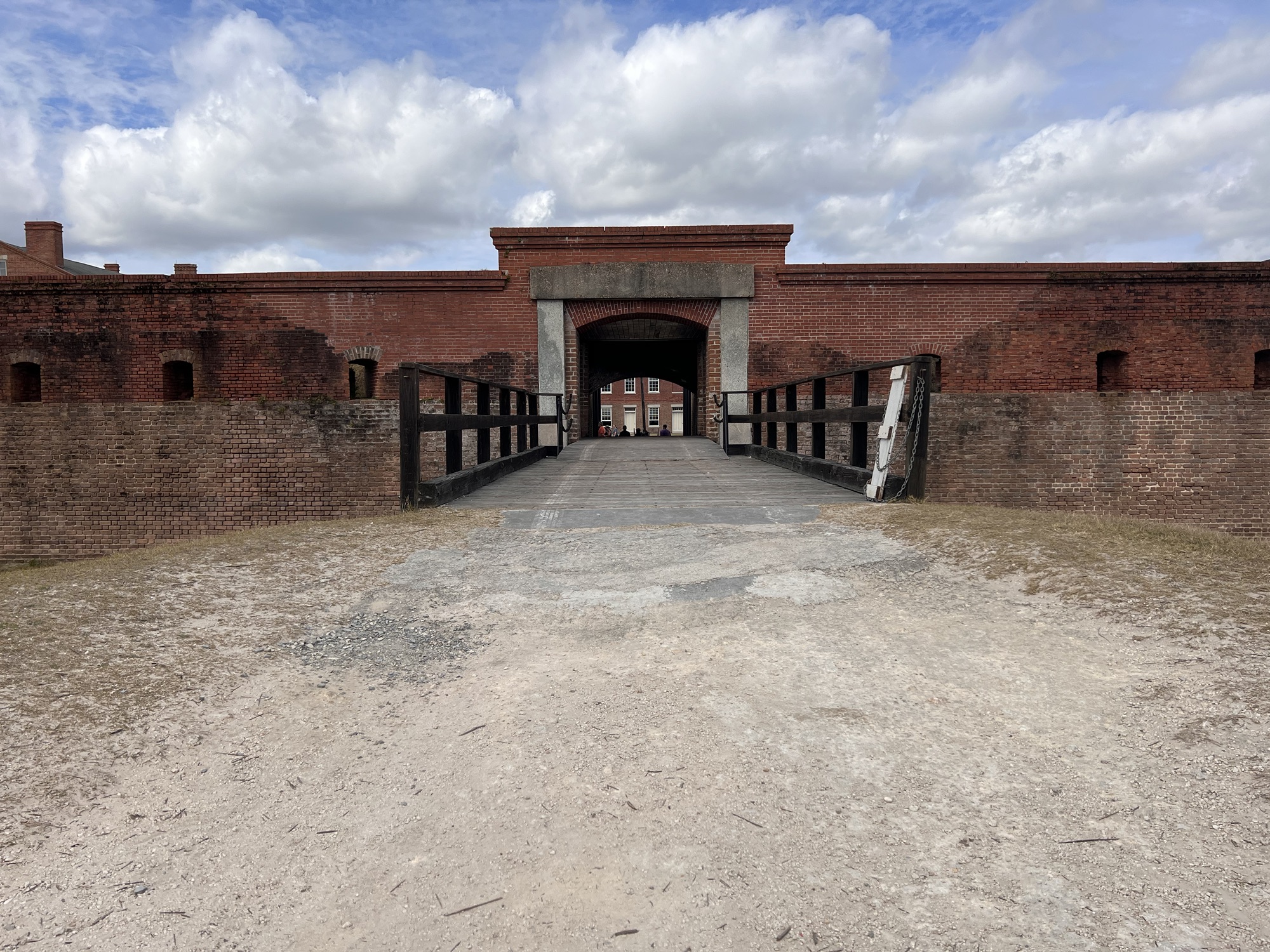
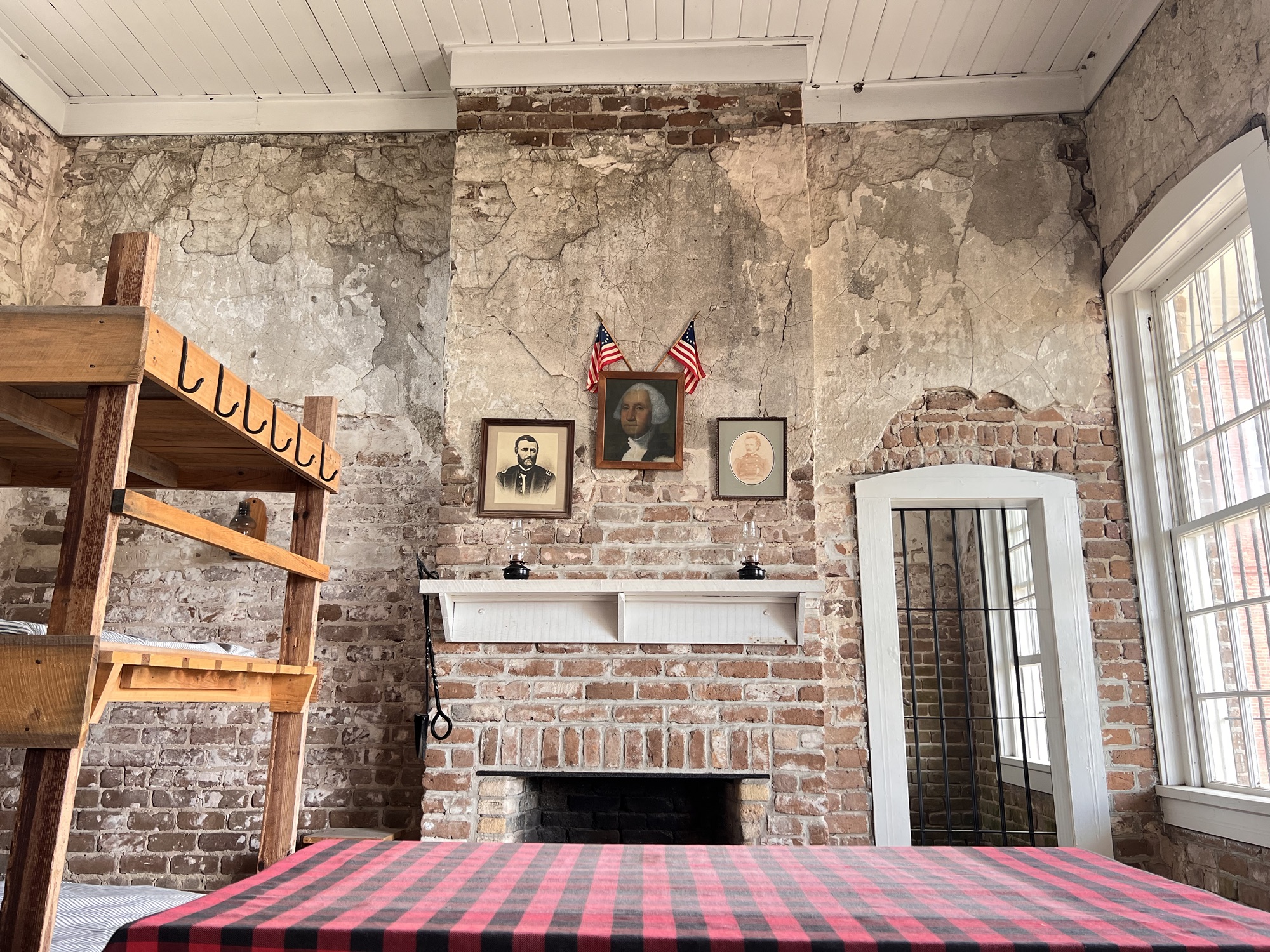

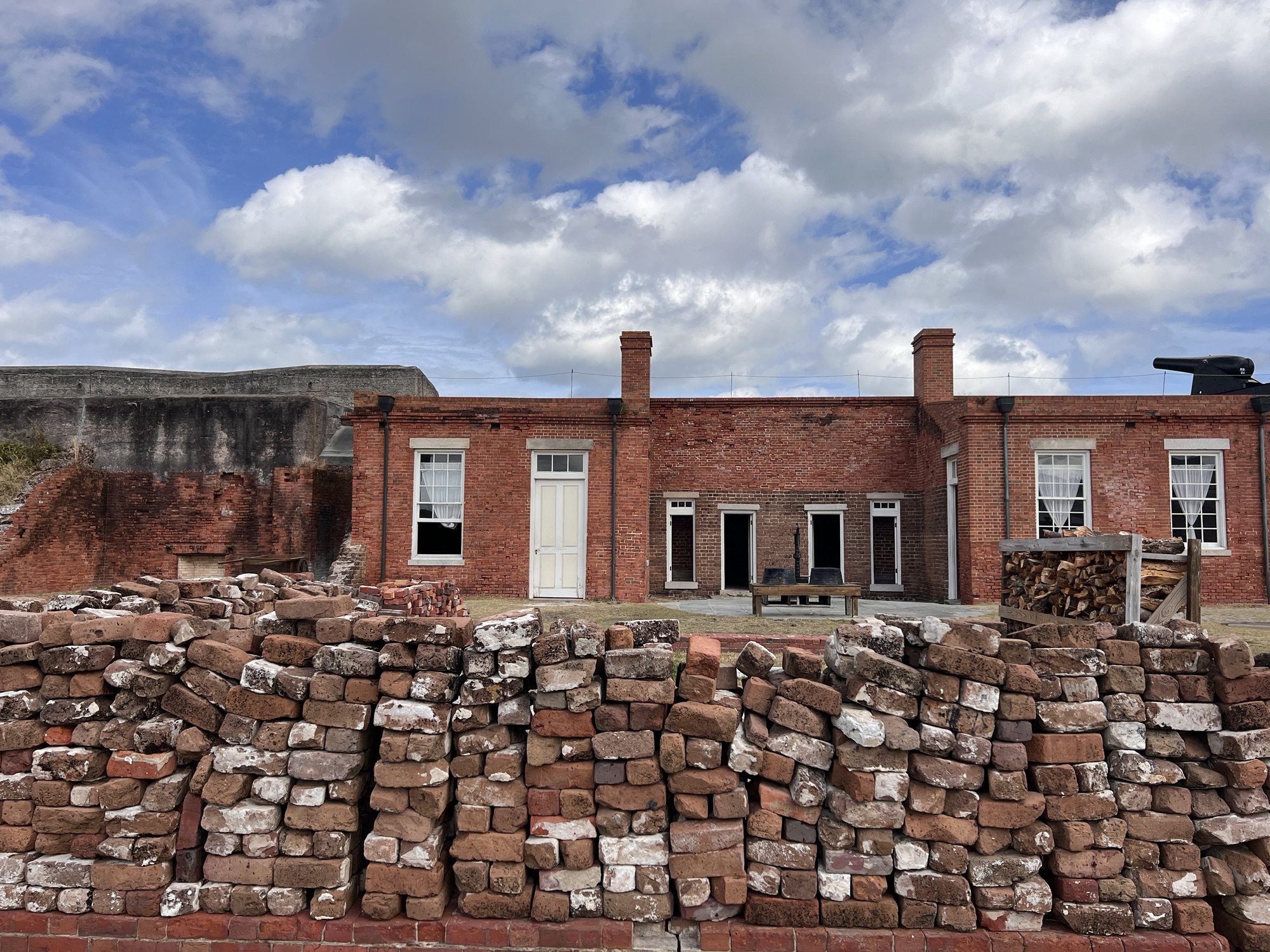
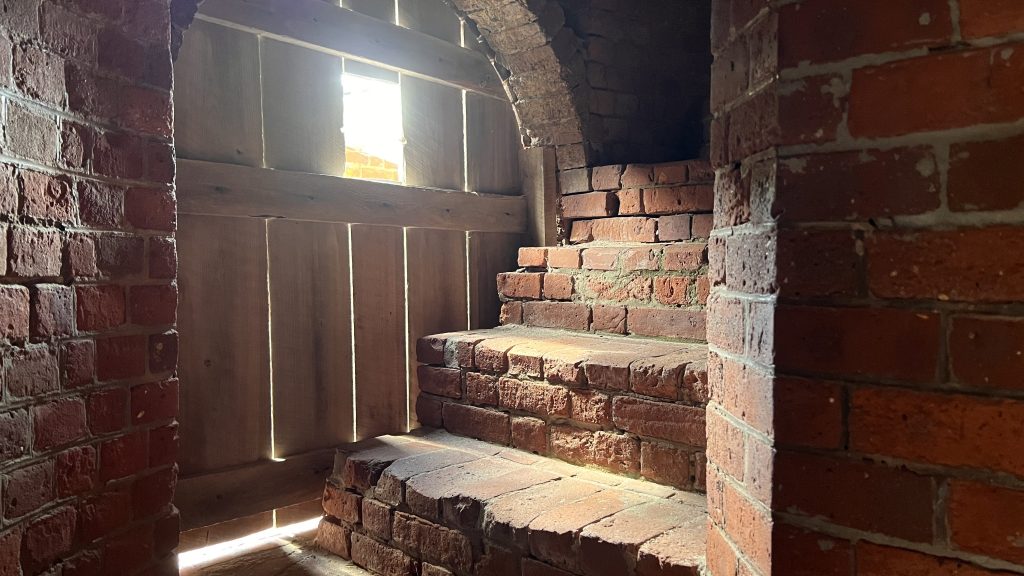
Fort Clinch State Park is located on Amelia Island, Florida at the entrance of the Cumberland Sound and St. Mary’s River. Named after General Duncan Lamont Clinch who was an important figure in Florida’s Seminole War which occurred during the 1830s(site). Fort Clinch was built in 1847 with the construction continuing into the beginning of the Civil War. At the start of the Civil War the fort was under the control of the Confederate Army. After, the Fort was maintained by the U.S Army until the sinking of the U.S.S Maine which lead to the start of the Spanish-American War and Fort Clinch was once again under the Armies control. Now, the Fort can be walked through daily from dawn to dusk by visitors. The State Park also has bike trails and beach access for visitors as well, and all it cost is six dollars for entry into the park.
FORT CAROLINE NATIONAL MEMORIAL


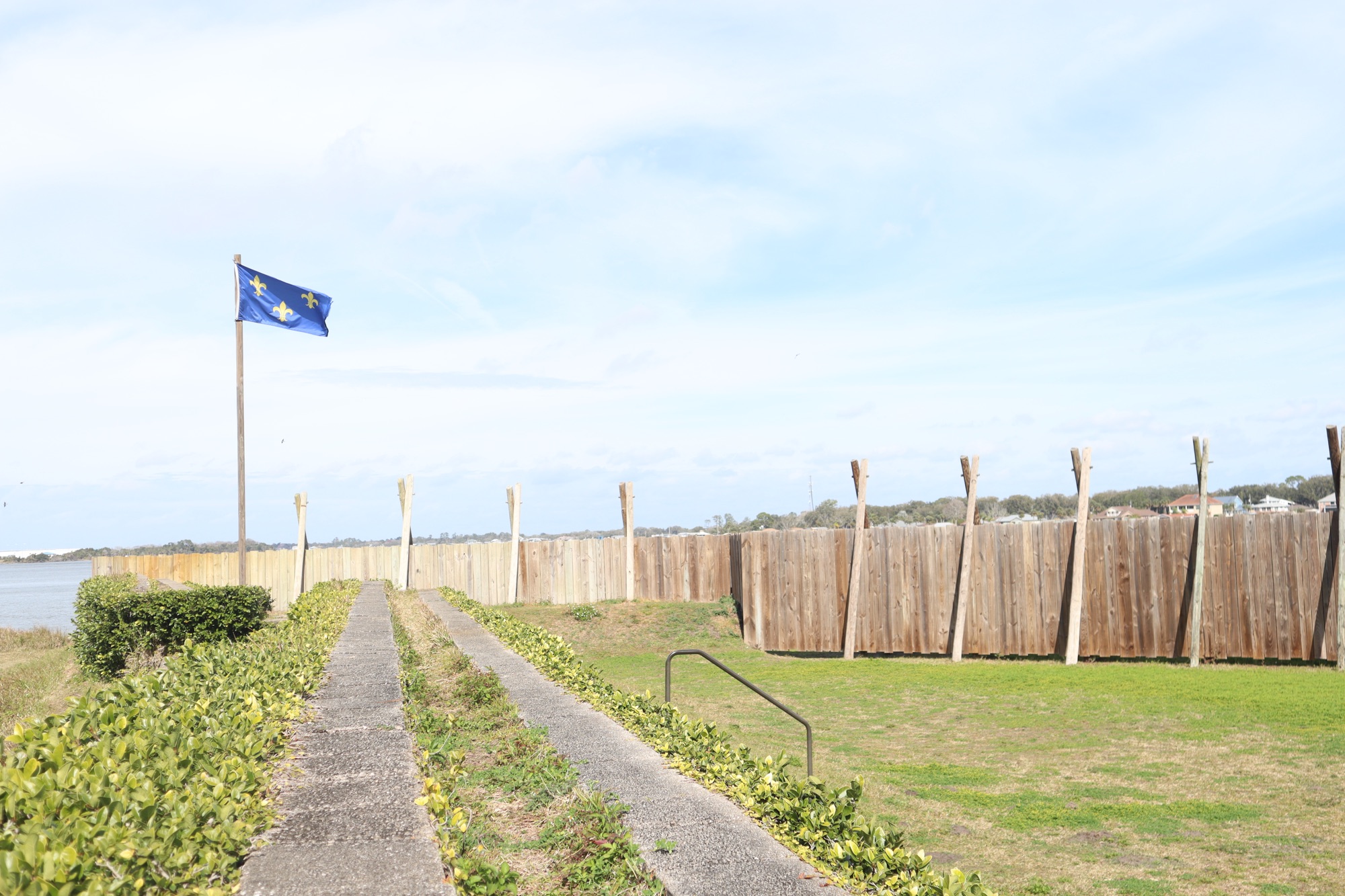
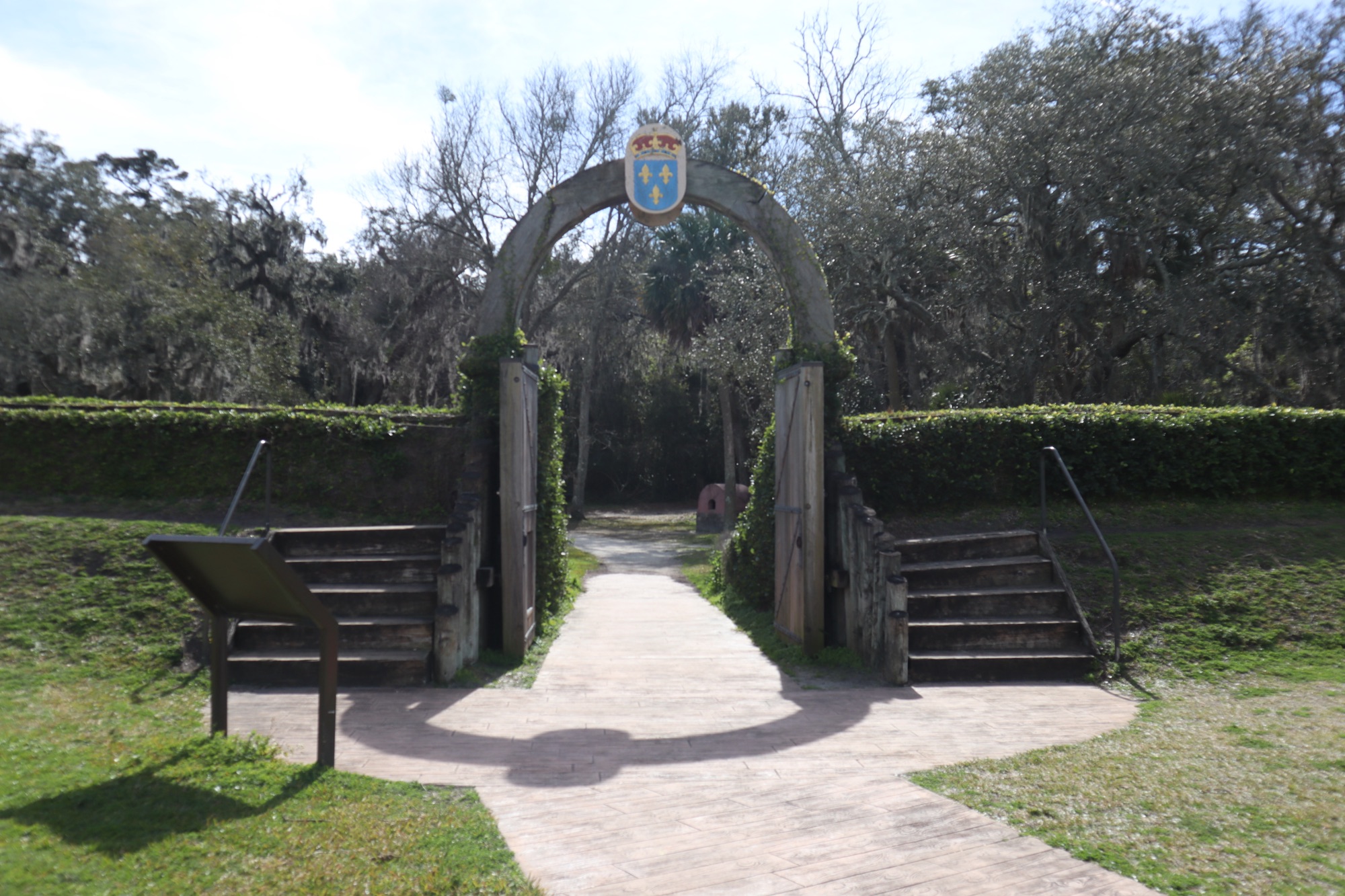
Established in 1564 by French man Rene de Goulaine de Laudonniere established Fort Caroline, helped by local Timucuans who had lived in the area for around 1,000 years before the arrival of the French and Spanish. The fort was named La Caroline after the French King Charles IX. In 1565, King Philp II of Spain sent an army to attack the fort. The Spanish were upset by the French trying to divert trade from Spain to France, not only taking the riches of the new world but also establishing a Protestant community, while the Spanish were Catholic. Don Pedro Menedez de Aviles and his troops slaughtered most of the French settlers, leading to the fort being taken over by the Spanish until 1569, known as San Mateo. While the Fort’s true location is still unknown till this day, the National Park service opened the park in 1953 established the memorial near the mouth of the St. Johns River. The park is open 9am to 5pm daily for visitors to get a glimpse of Florida’s history.
KINGSLEY PLANTATION HISTORICAL SITE
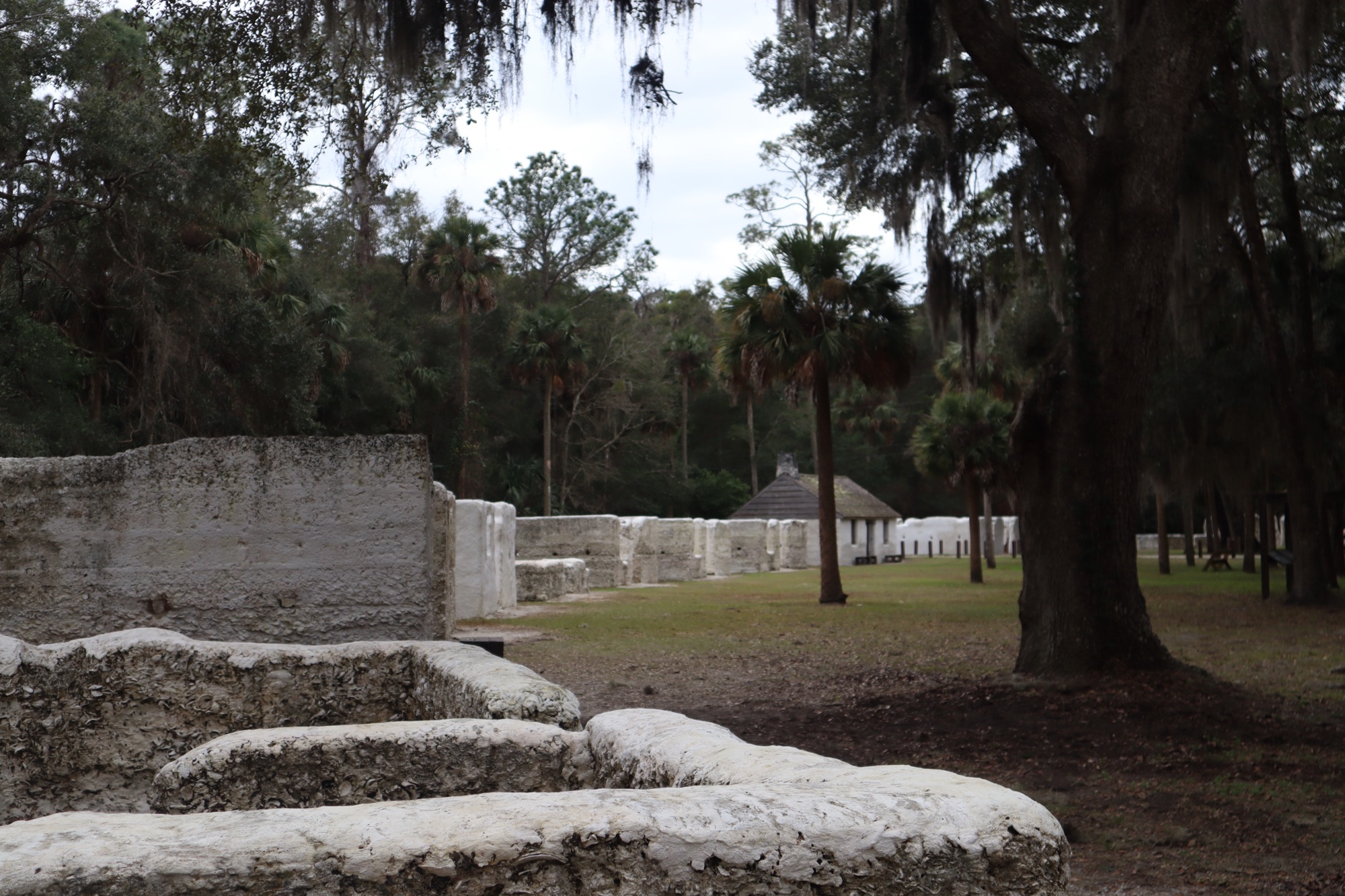

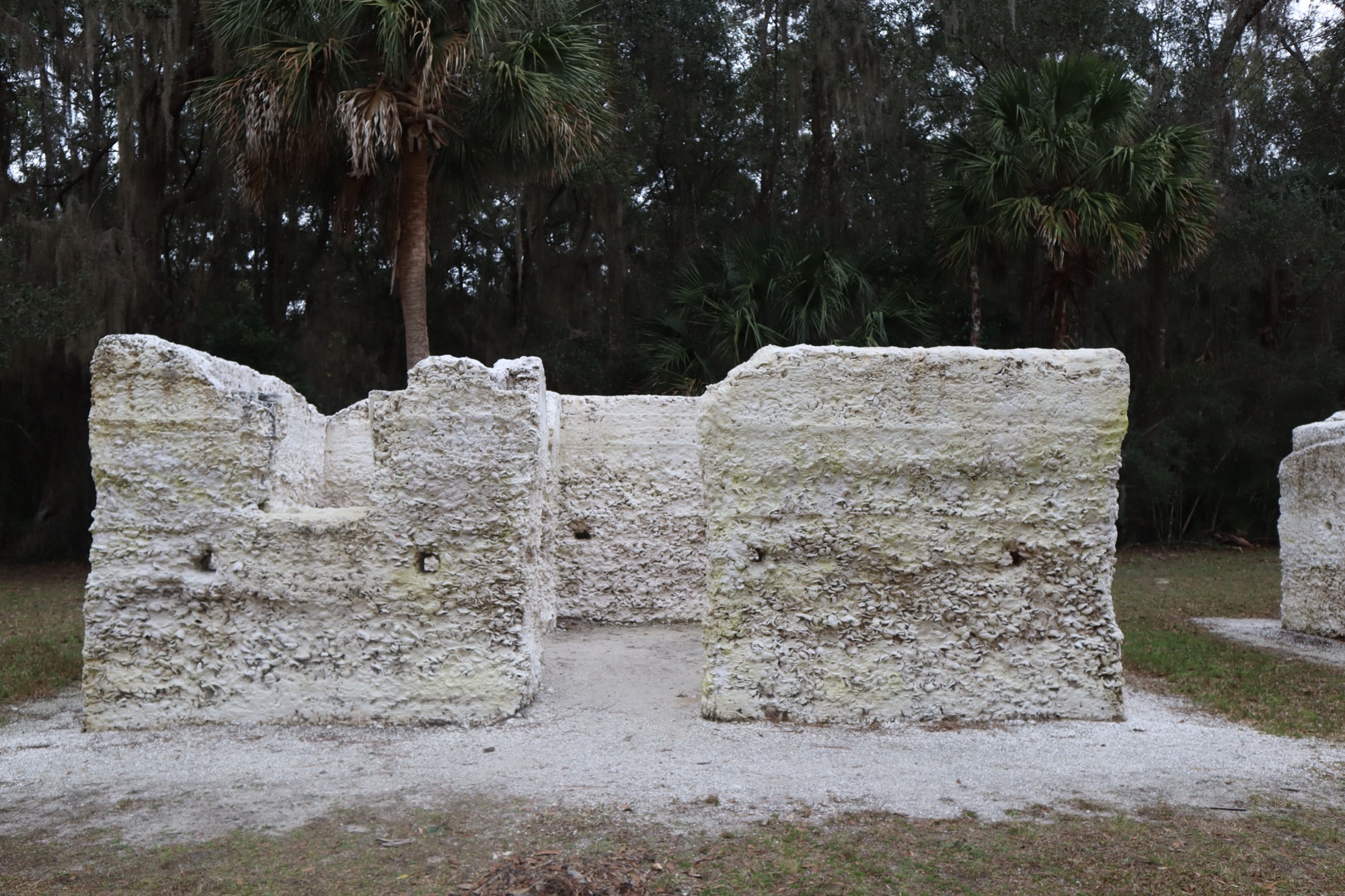

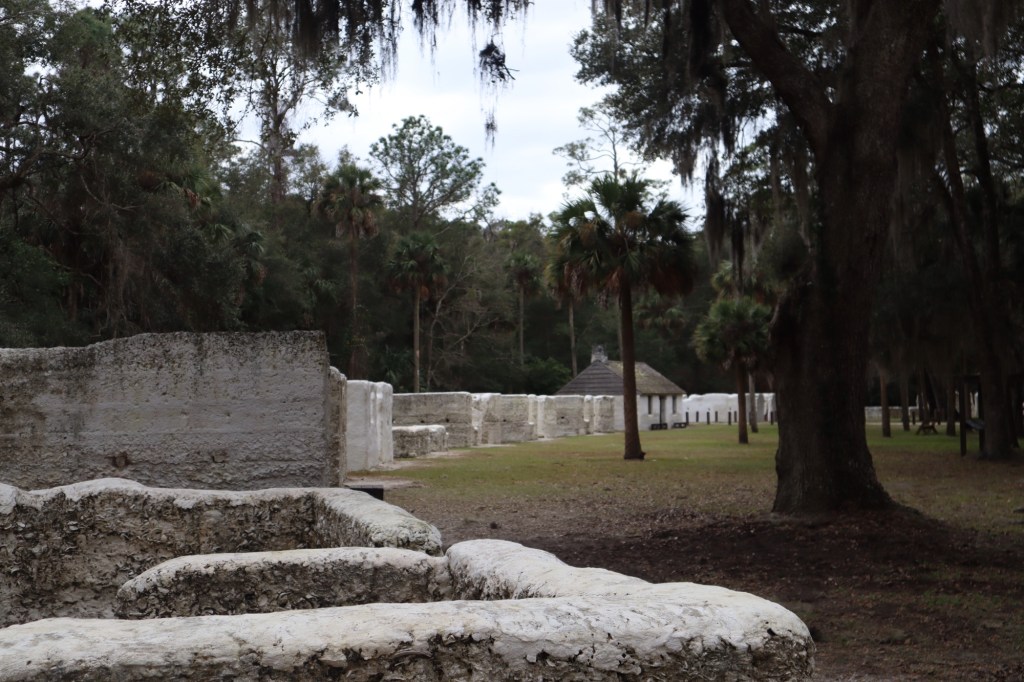
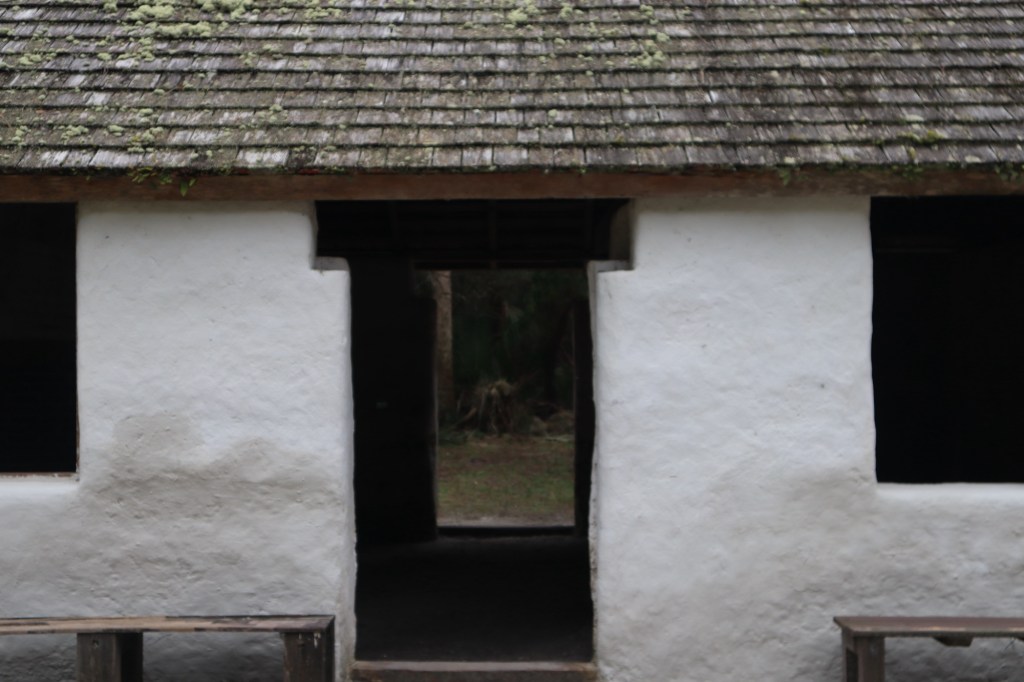
Over 150 years ago, Kingsley Plantation was home to the Kingsley family which included Zephaniah, Anna Madgigine Jai, a slave from West Africa purchased by Kingsley, and their four children. The family moved to Fort George Island in 1814. Anna was freed in the year 1811 and she assisted in the management of the plantation along with acquiring her own land and slaves. Around 60 slaves lived on the plantation which produced Sea Island cotton, citrus, sugar cane, and corn. The slaves lived in Tabby houses which are made of lime from burned oyster shell mixed with sand, water, and other shells forming a concrete like substance that is still standing till this day.
Over the years the Kingsley family acquired more than 32,000 acres including four plantations and more than 200 slaves. During the Patriot Rebellion, when Florida was becoming a state, Anna fled the country with her sons and a dozen slaves to Haiti, but before Americans could get to the plantation, Anna made sure to burn it to the ground, making it inhabitable.
Kingsley Plantation is open Wednesday through Sunday 9am to 4:30pm for visitors to experience history.
BIG & LITTLE TALBOT ISLANDS STATE PARK


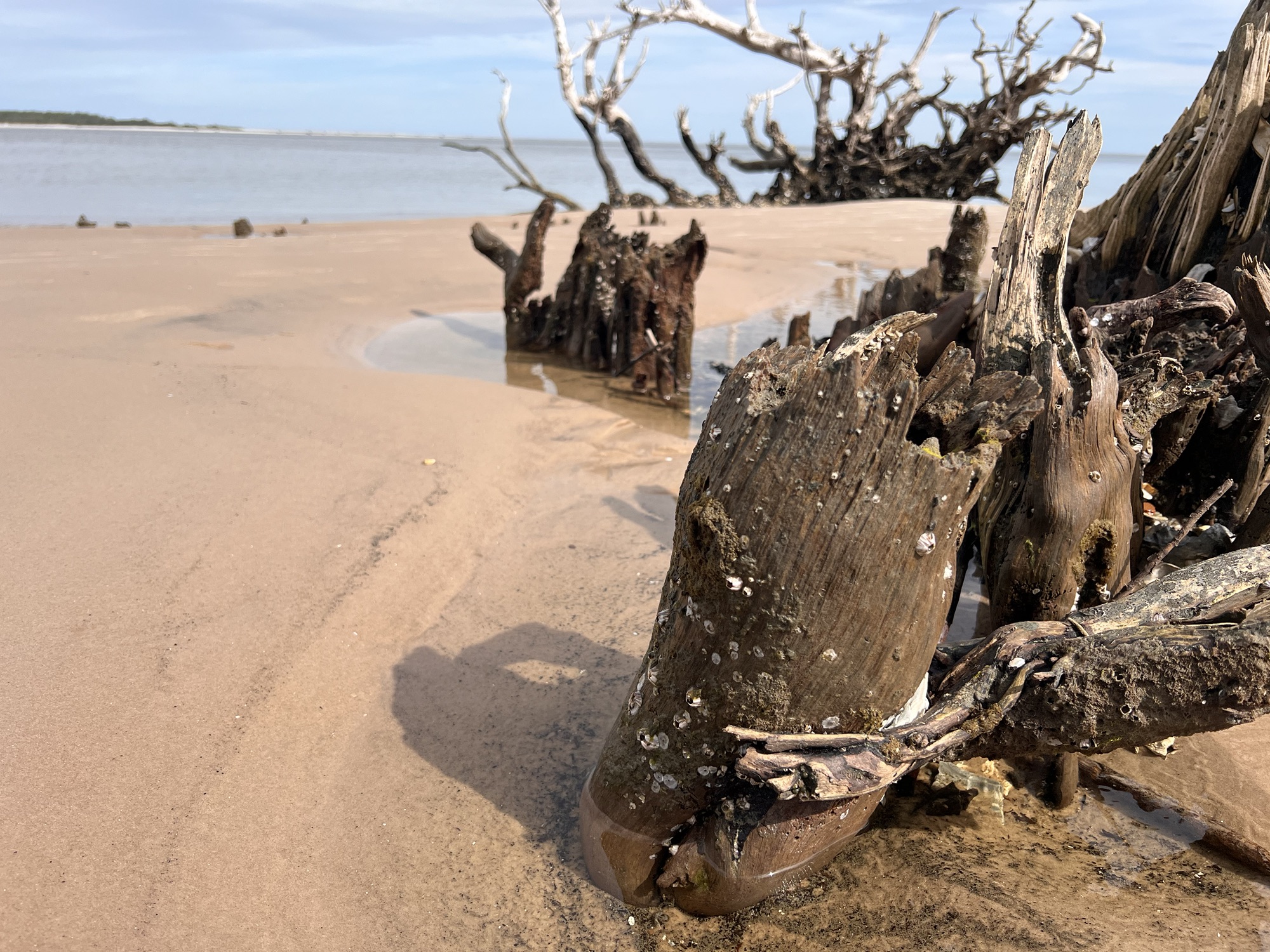
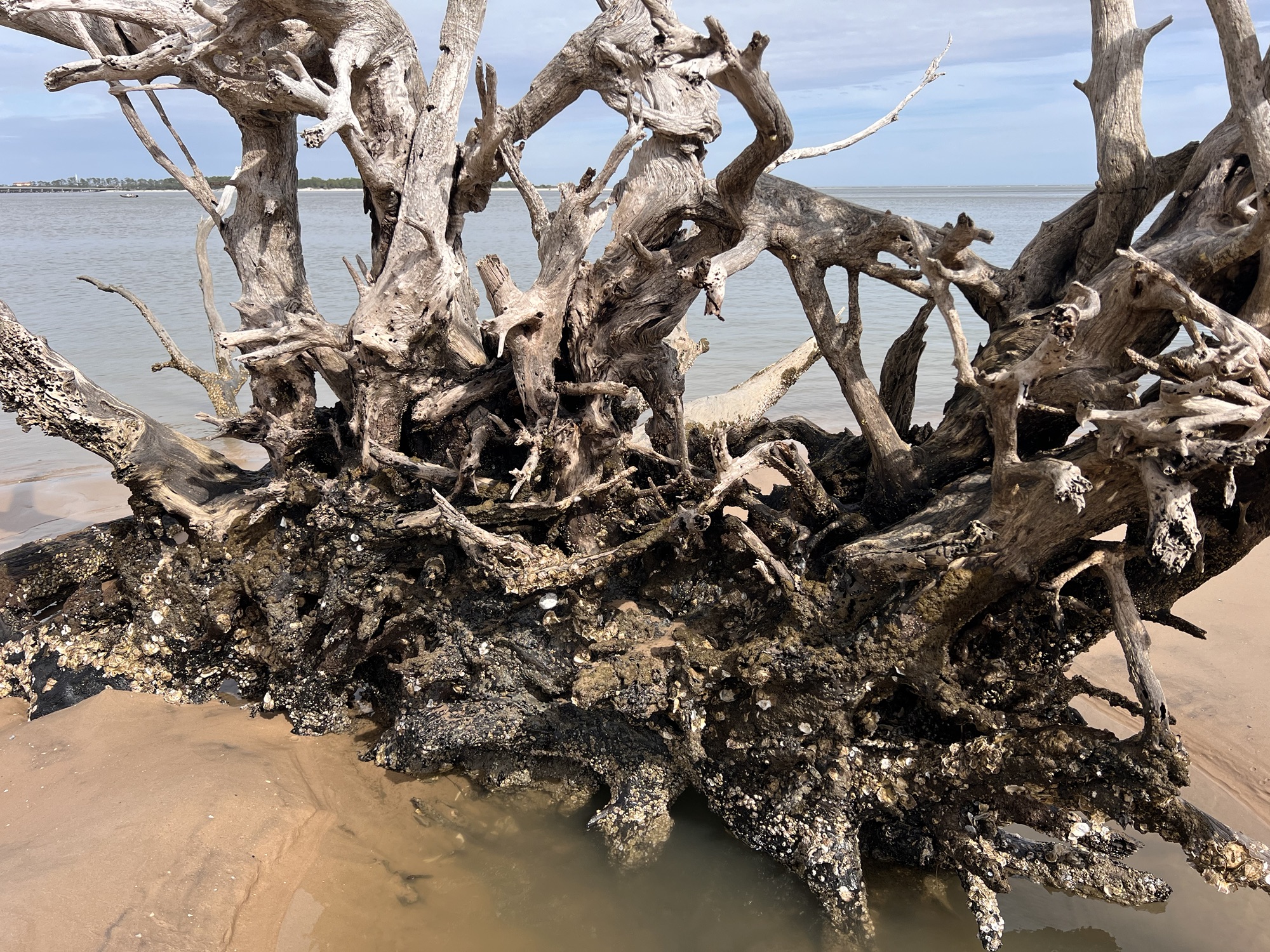
For centuries, long before Florida was known to settlers across the ocean, the place known as Little and Big Talbot State Park was once used by Native Americans as hunting and fishing grounds. In 1562, the French Huguenots named them “Timucua.” In 1735, General James Oglethorpe named the islands in honor of Charles Baron Talbot, Lord High Chancellor of England. This name would stick to this very day.
Little Talbot Island State Park was opened in 1952, and over 30 years later in 1984 Big Talbot Island was opened as a State Park. Now both parks open 8am to dusk 365 days a year for people to enjoy. There is a $5 per vehicle admission fee, and visitors can even camp on the islands if they would like.
PUMPKIN HILL CREEK PRESERVE STATE PARK


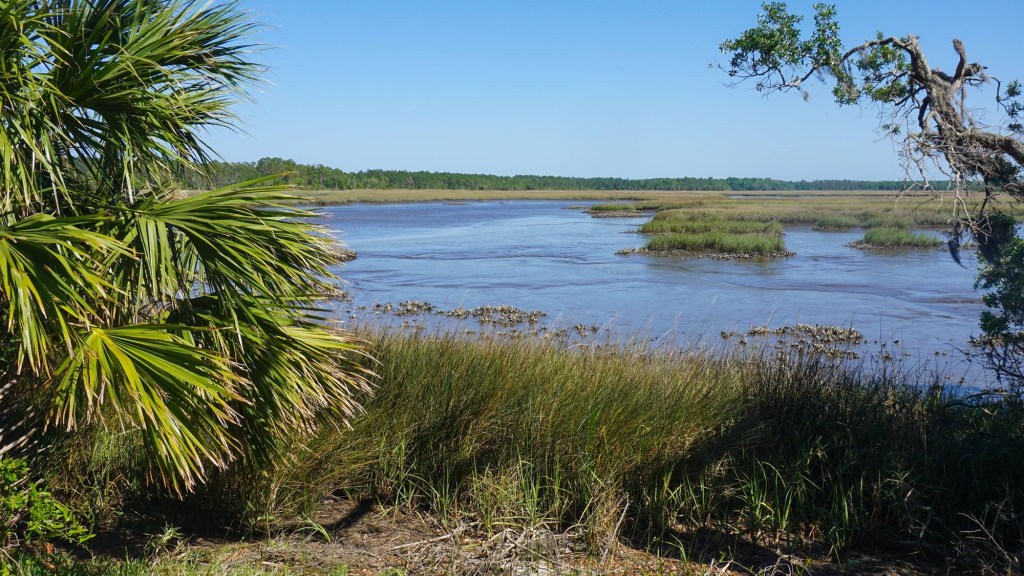
While there’s no big historical event that happened in this area of Jacksonville, the Pumpkin Hill Creek Preserve still holds some of natural Florida’s history. The turpentine industry was a popular ingredient throughout the 1800s and 1900s in America. It was a household product used for paints, medicines, soaps, lamp oil, ink, hair spray, and cosmetics. At Pumpkin Hill “cat-faces” can be seen on pine trees, which were incisions cut into the tree to extract sap, eventually processed into Turpentine. The preserve is open daily from 8am to dusk located in North-East Jacksonville.
MORE PHOTOS…

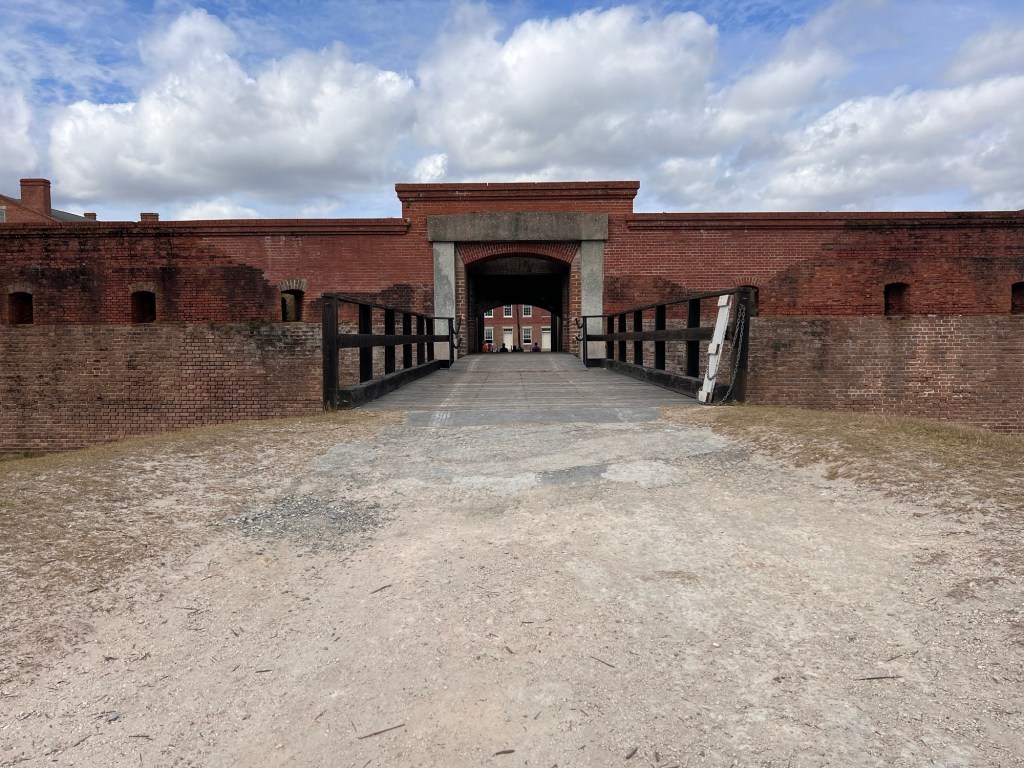


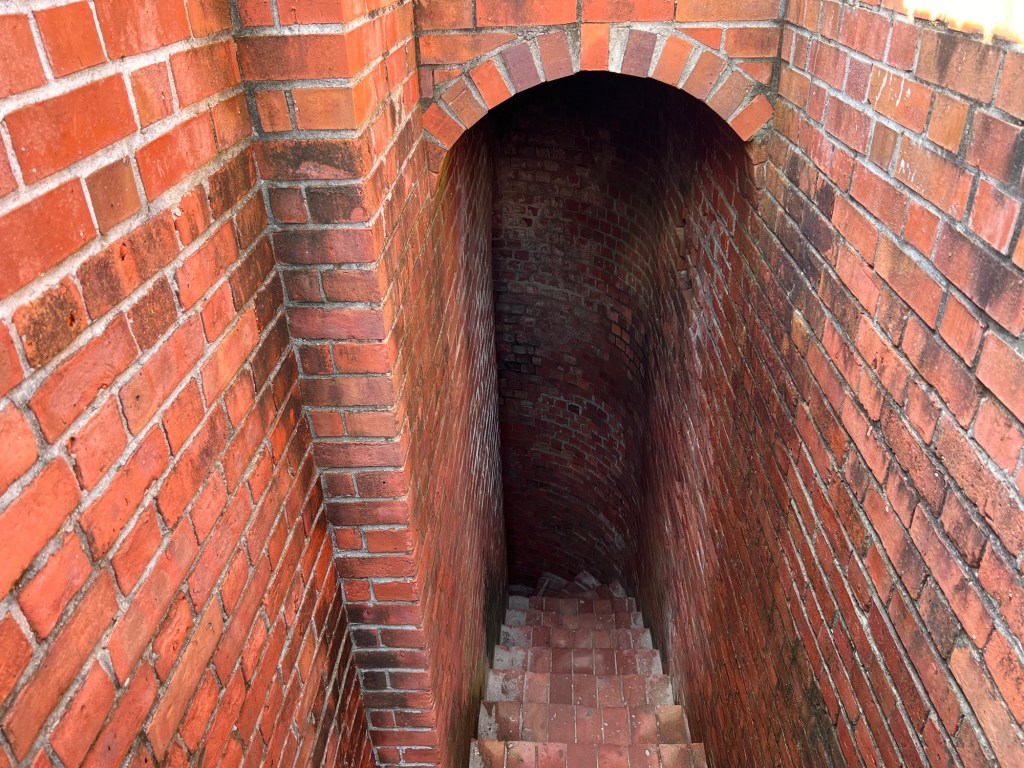
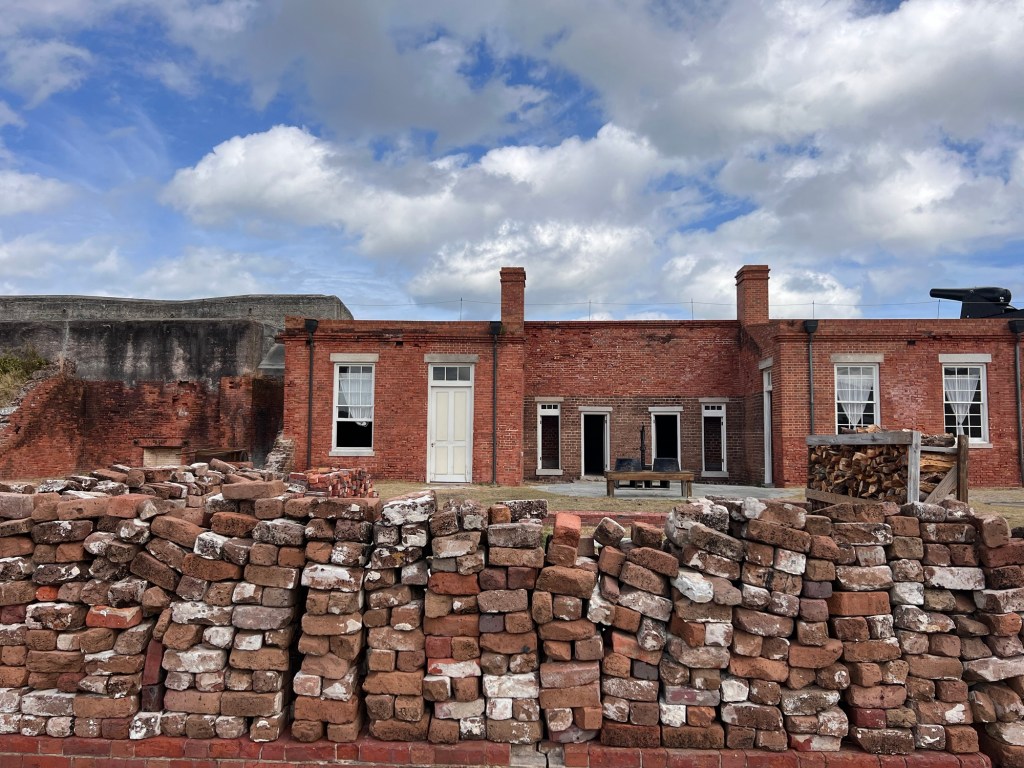

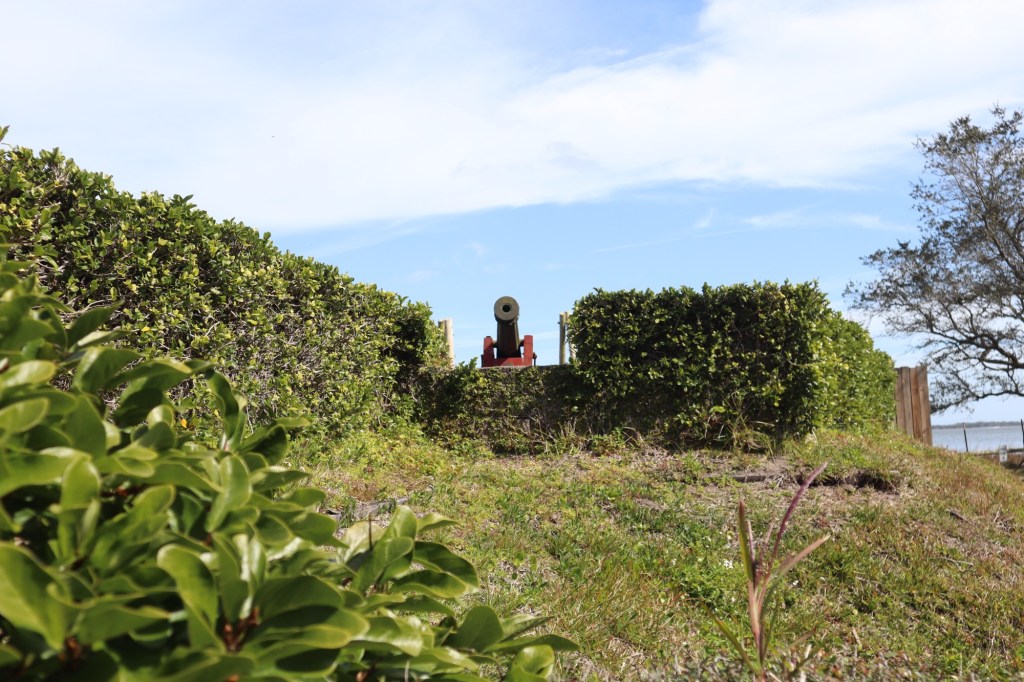
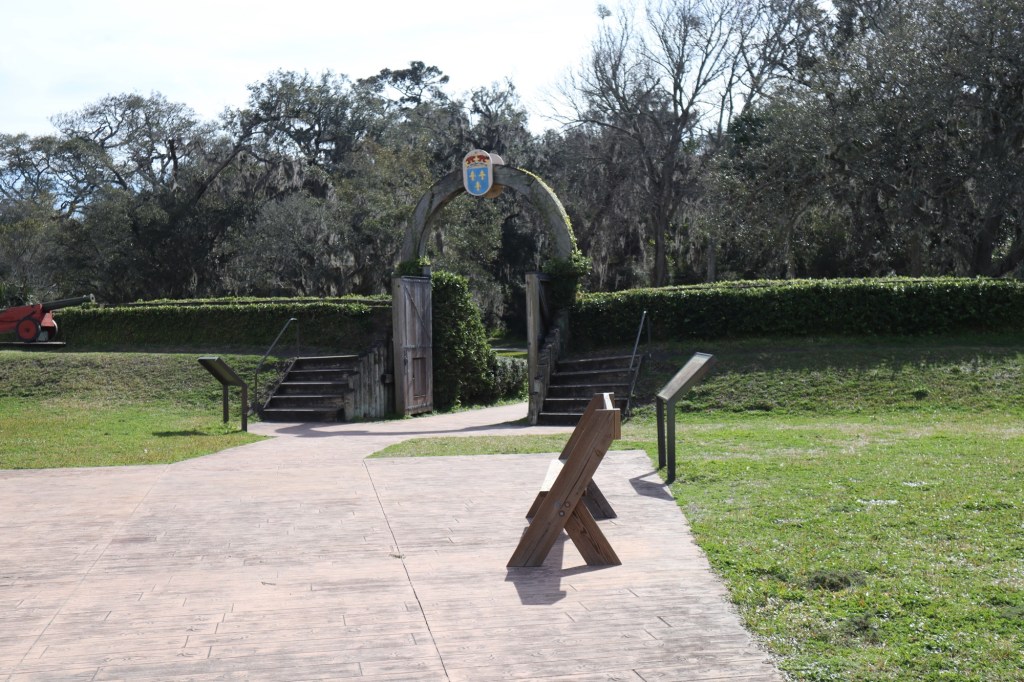


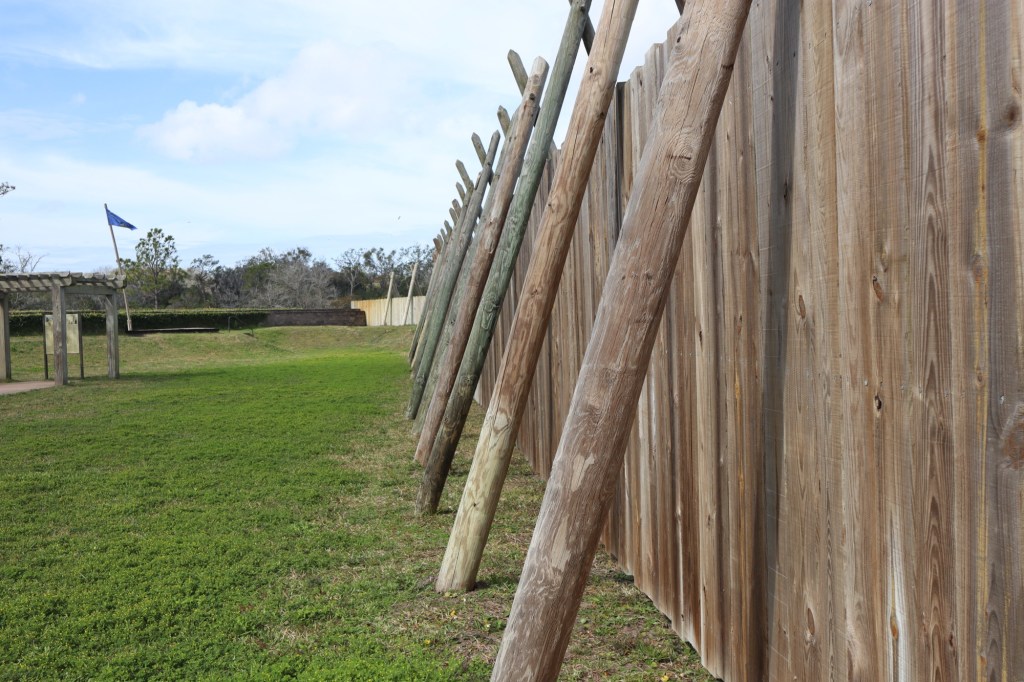
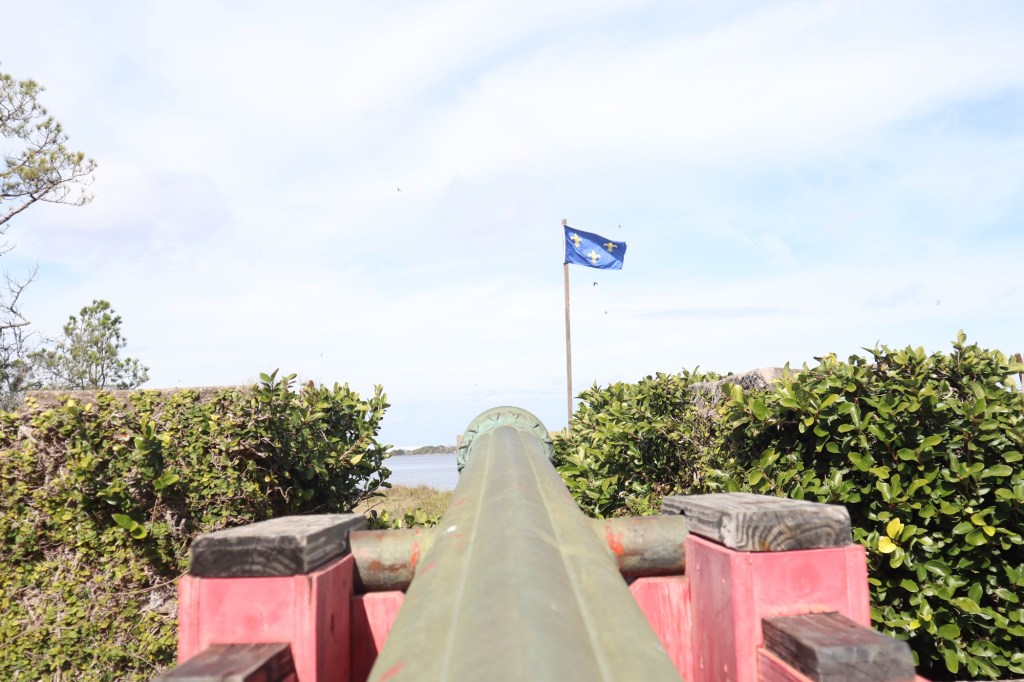
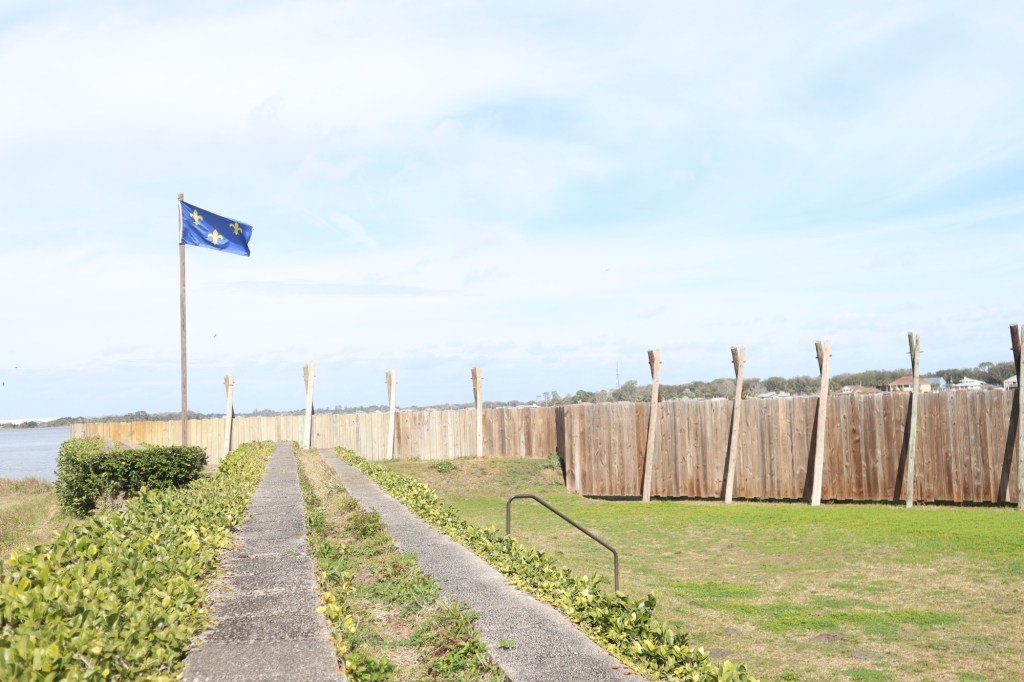
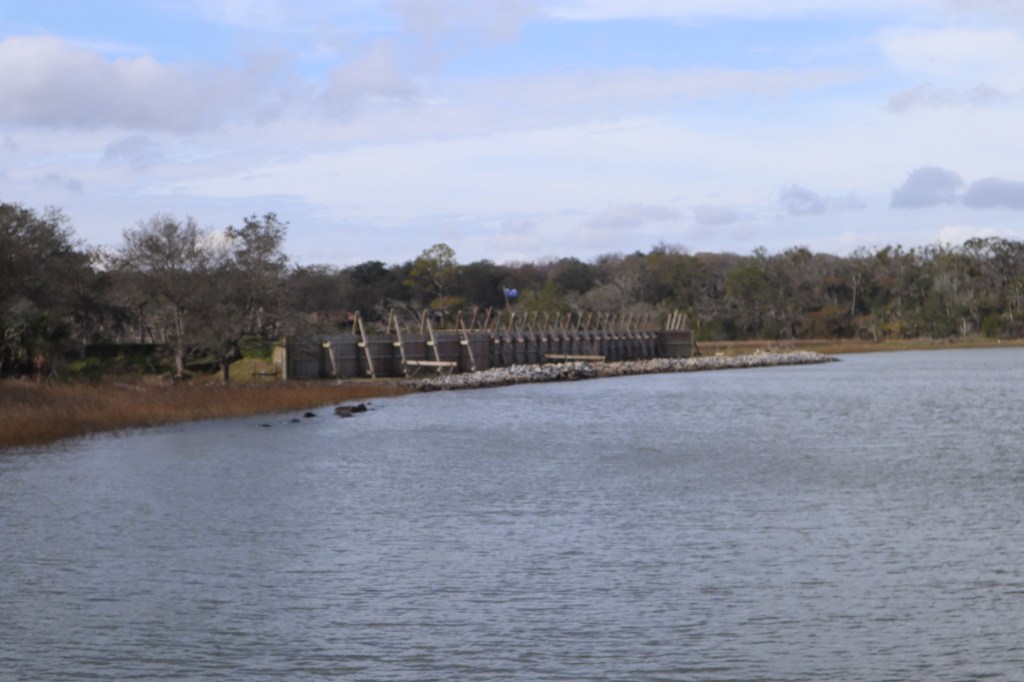
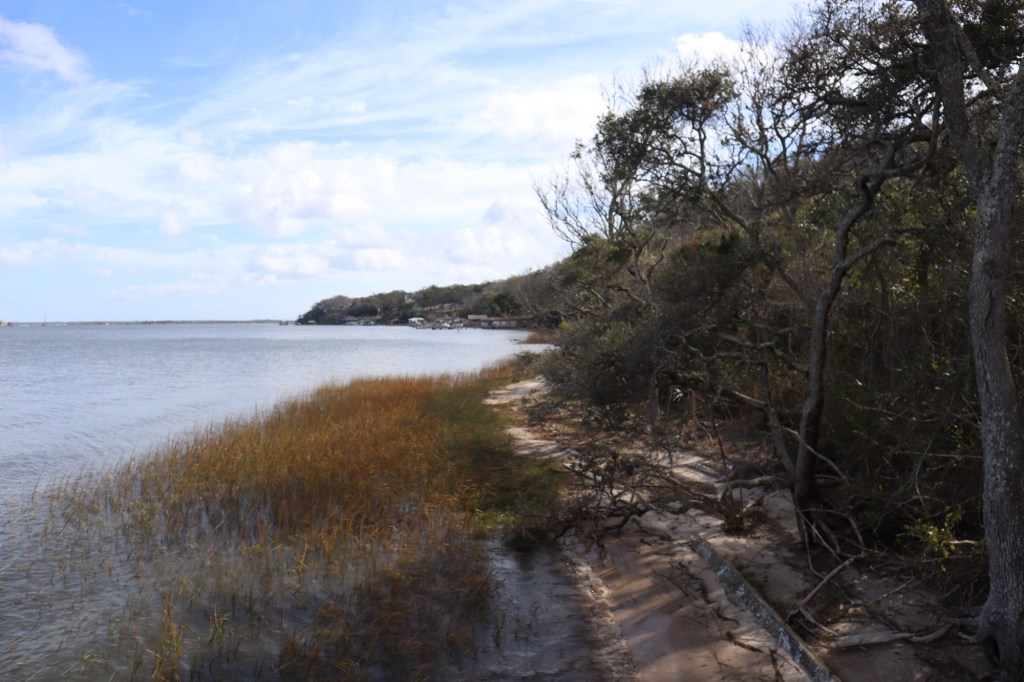
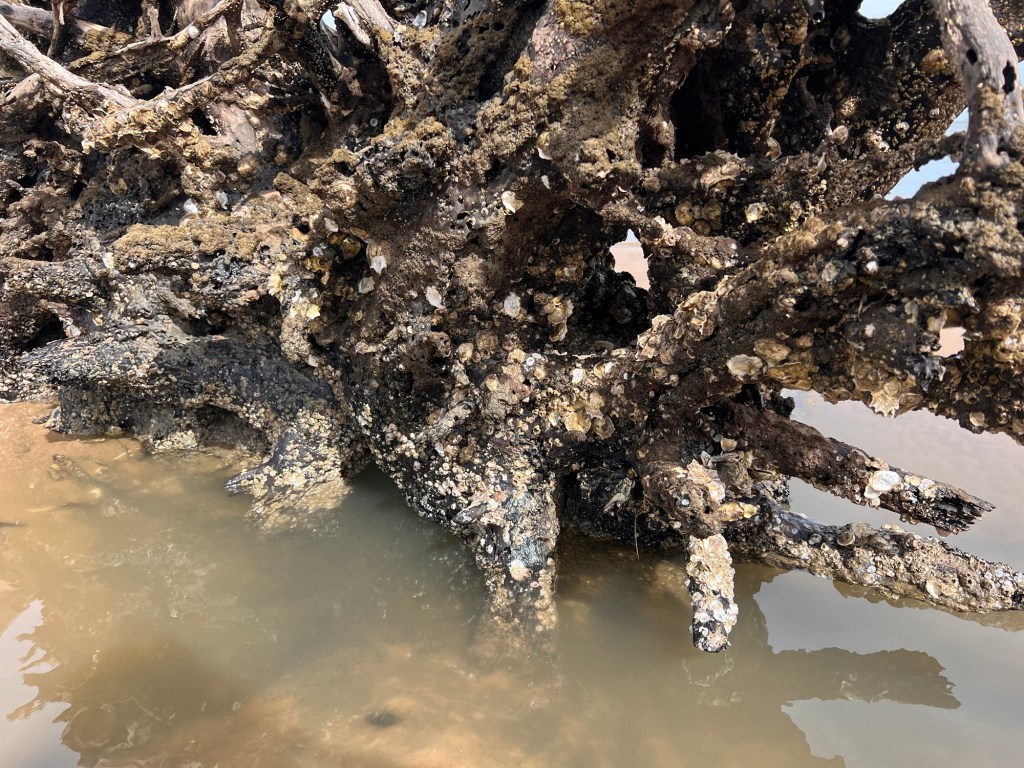

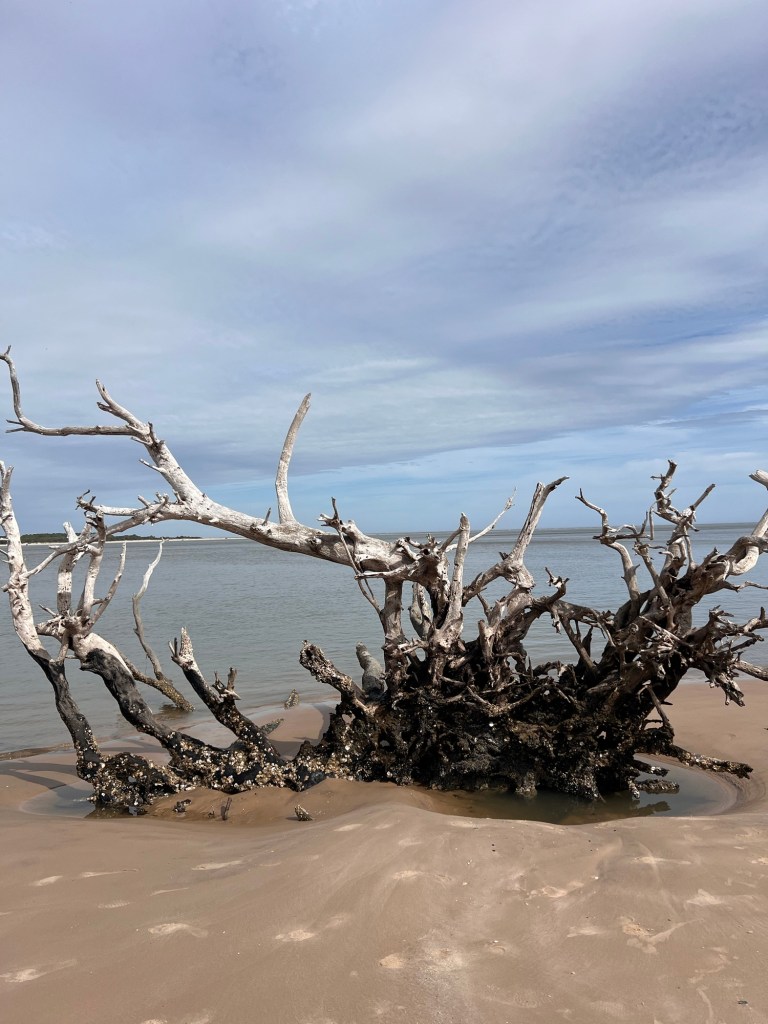
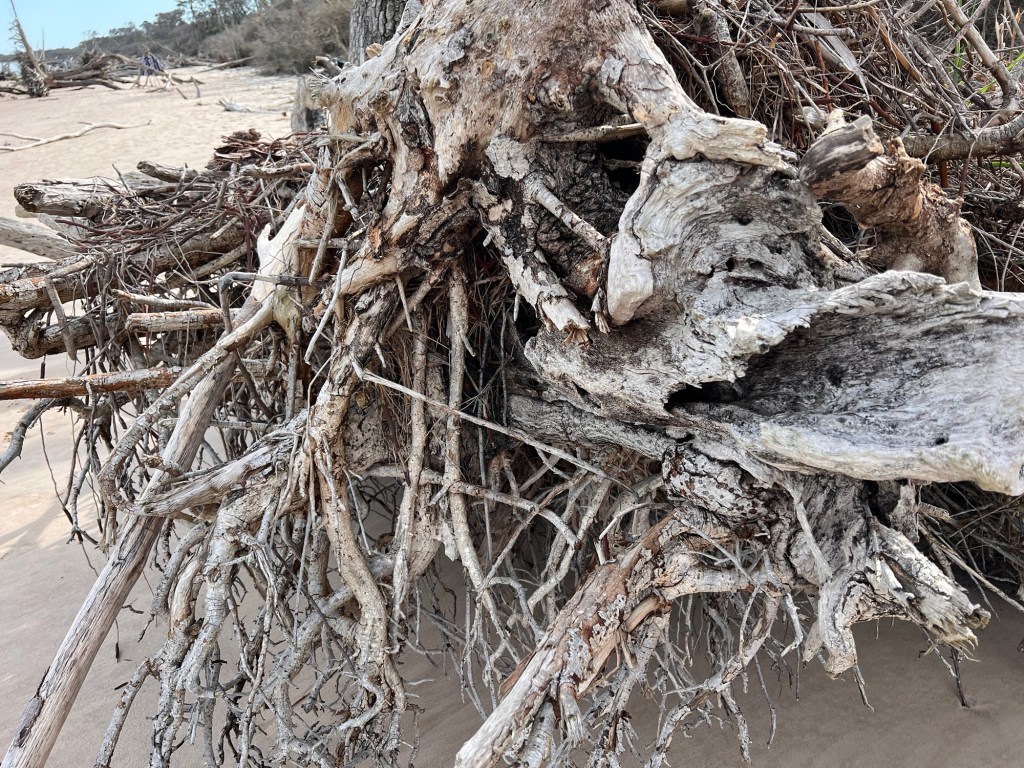


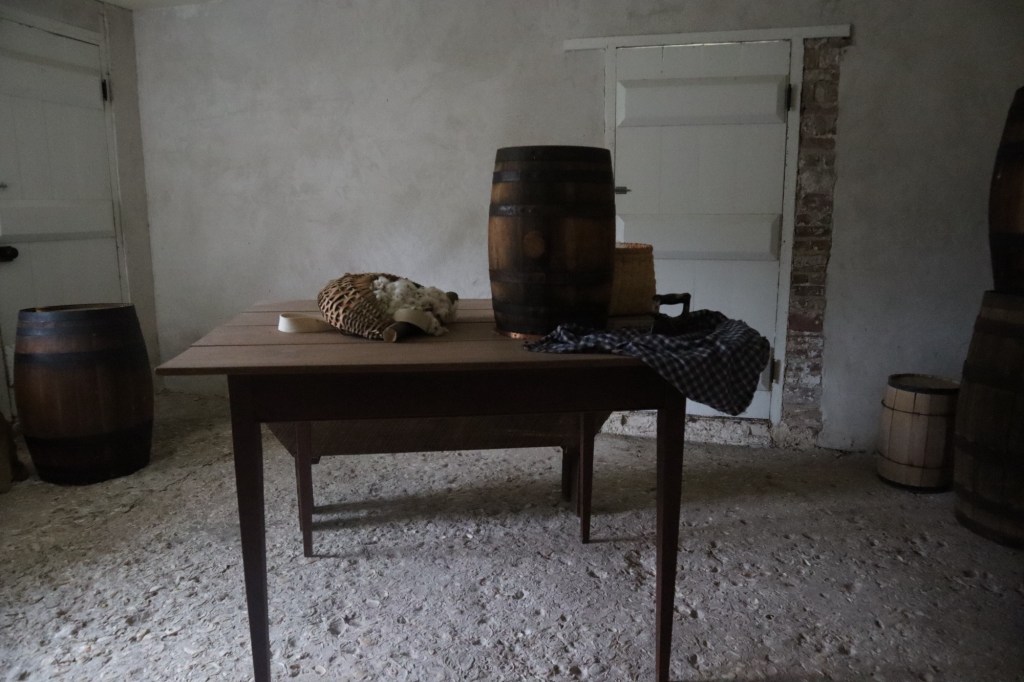
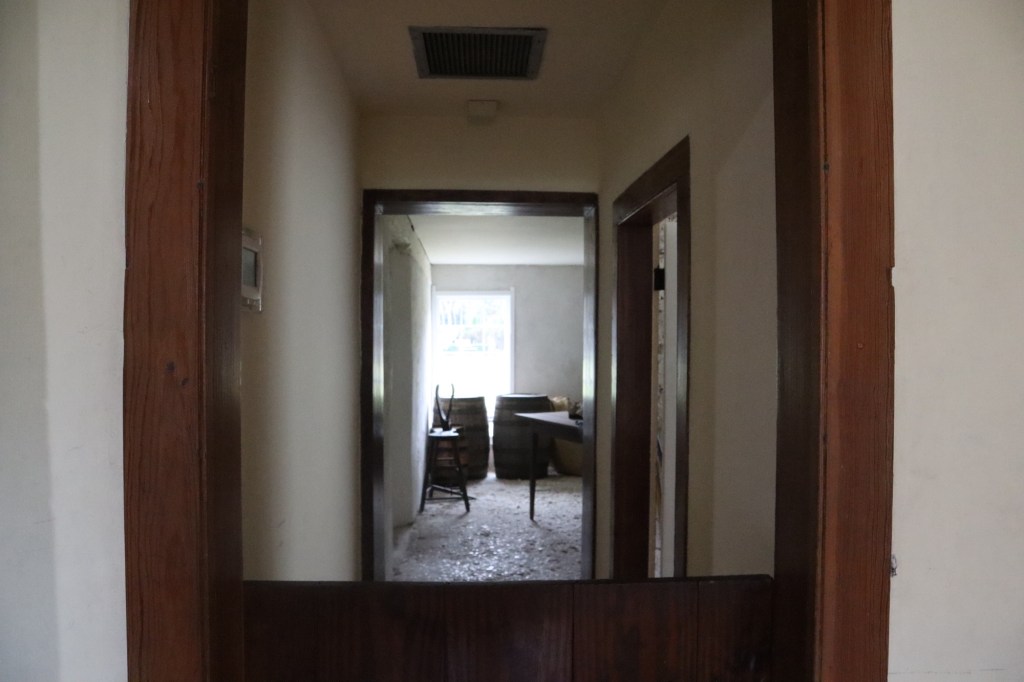
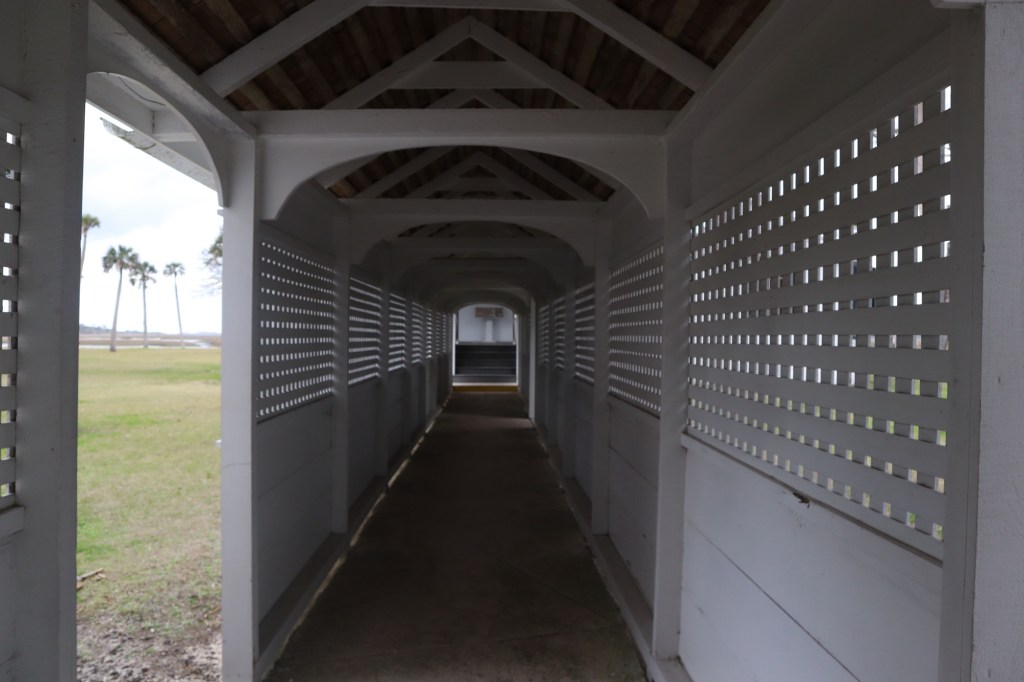


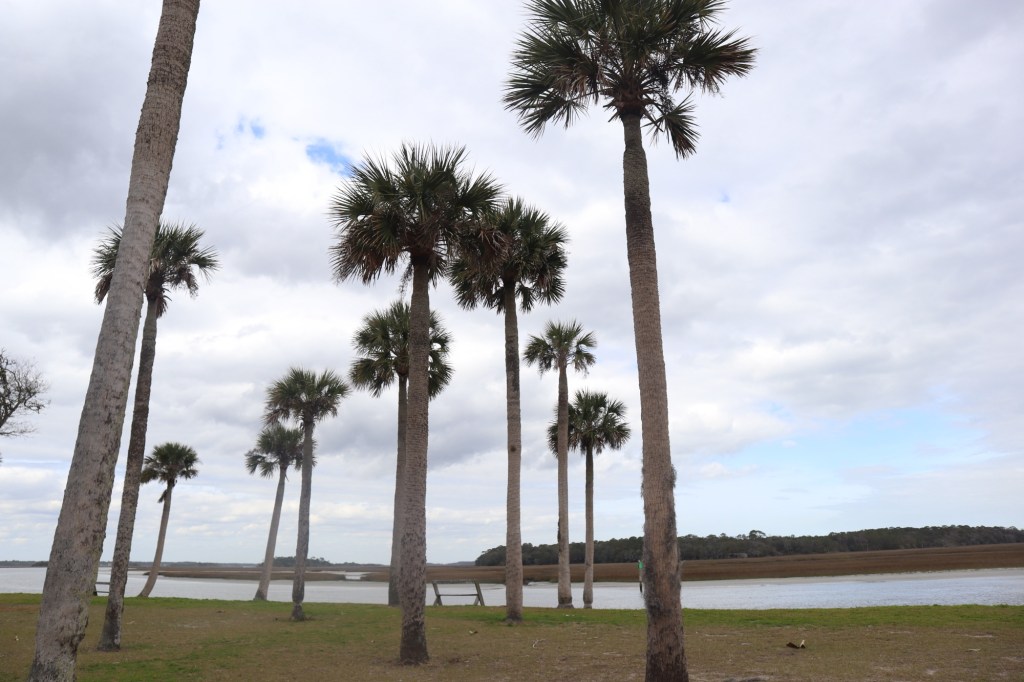
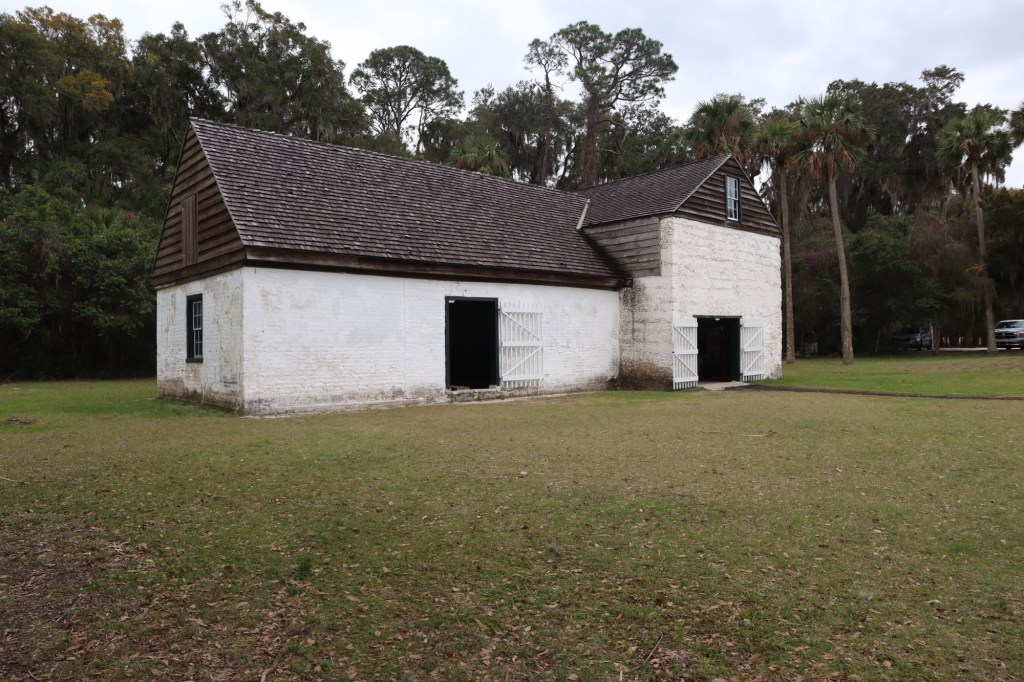




Through all the history presented, I believe that Florida’s true beauty can be spotted. It’s important to visit places with such historical value so that not only we can gain knowledge about the past, but we can learn how to make a better future. Viewing places like Kingsley Plantation and Fort Caroline where there was so much pain and suffering, can truly allow you to reflect on how humans have changed through the centuries.
BIBLIOGRAPHY
“Fort Clinch State Park .” Florida State Parks, 2018, http://www.floridastateparks.org/fortclinch. Accessed 12 Feb. 2024.
Walker, T. “Fort Clinch State Park.” State Parks, 2023, stateparks.com/fort_clinch_state_park_in_florida.html. Accessed 12 Feb. 2024.
“Florida Historic Places.” National Parks Service, U.S. Department of the Interior, http://www.nps.gov/nr/travel/geo-flor/18.htm. Accessed 12 Feb. 2024.
“Kingsley Plantation.” Timucuan Parks Foundation, 1 Sept. 2022, http://www.timucuanparks.org/parks/kingsley-plantation/. Accessed 11 Feb. 2024.
“Kingsley Family and Society.” National Parks Service, U.S. Department of the Interior, http://www.nps.gov/timu/learn/historyculture/kp_family_society.htm. Accessed 11 Feb. 2024.
Little talbot island state park. Florida State Parks. (n.d.-c). https://www.floridastateparks.org/parks-and-trails/little-talbot-island-state-park
Walker, T. (n.d.-b). Little talbot island state park. State Parks. https://stateparks.com/little_talbot_island_state_park_in_florida.html
U.S. Department of the Interior. (n.d.-a). Florida: Fort Caroline National Memorial (U.S. National Park Service). National Parks Service. https://www.nps.gov/articles/ftcaroline.htm#:~:text=Ren%C3%A9%20de%20Goulaine%20de%20Laudonni%C3%A8re,try%20to%20grow%20the%20colony.
Bryant, C. (2023, July 26). Fort Caroline – the story of a short-lived French colony. Who Is Jean Ribault? French Huguenots In Florida. https://jeanribault.org/fort-caroline-the-story-of-a-short-lived-french-colony/
Pumpkin Hill Creek Preserve State Park. Florida State Parks. (n.d.-d). https://www.floridastateparks.org/parks-and-trails/pumpkin-hill-creek-preserve-state-park
Floridatrailblazer. (2018, July 16). Turpentine history. FLORIDA TRAILBLAZER. https://floridatrailblazer.com/category/turpentine-history/
Pumpkin Hill Creek Preserve State Park. (n.d.). https://floridadep.gov/sites/default/files/Pumpkin Hill Creek Preserve State Park.pdf
 Through Anna's Eyes
Leave a comment