The Heartless History of North East Florida
I arrived at Kingsley Plantation, located in Jacksonville Florida, with my camera in hand and history on my mind. I have always enjoyed learning more about the area I have grown up in and what has come before me. I drive through the gates and the first thing that catches my eye is the ruins of the cabins that generations of enslaved people once lived in.
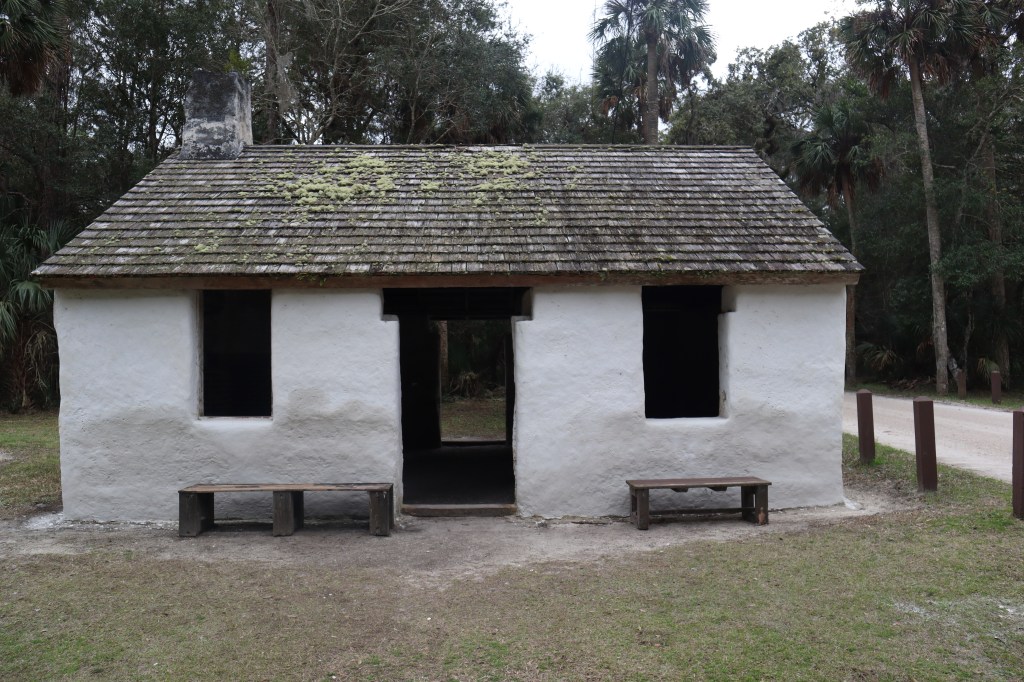
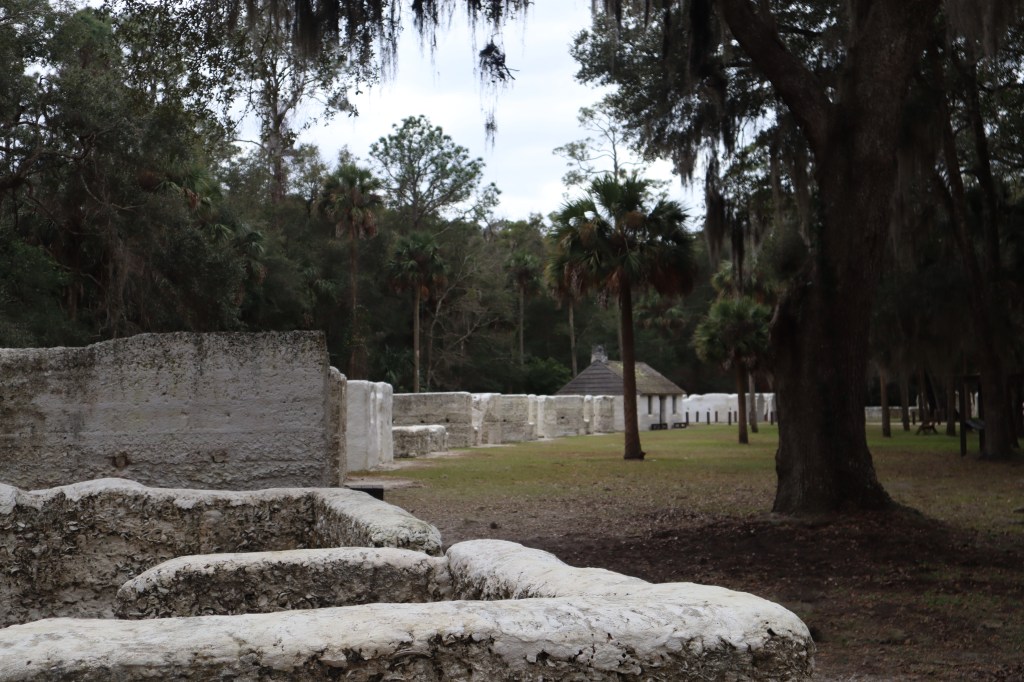
The houses were made of Tabby, a mix of lime, sand and water. The lime was obtained by cooking whole oyster shells in a kiln, then “slaking” the shells by adding water to them, which made the shells break down turning into the Tabby mixture. The oyster shells were added into the mixture to add more volume. The mixture would harden after poured into a mold, and after the mold was removed a thin layer of mortar was spread over the walls, taking form of the cabins.
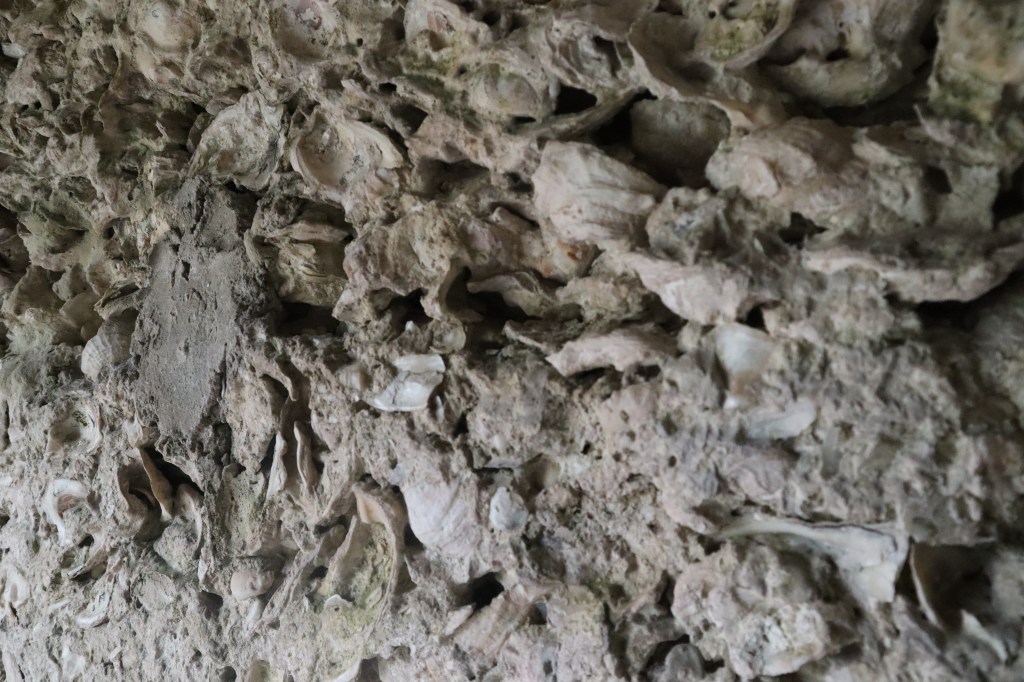
Tabby was more than just a building tool, it stood for the blending of cultures. The blend of West Africa, Spain, and Native America brought together the use of Tabby. The oyster shells used were mined from Native American shell mounds created thousands of years before the European arrival in the New World and by the eighteenth century, Tabby was used in West Africa. The roots of the technique are unclear. Tabby’s origins lie in the coastal southeast or West Africa brought to the area through slave trade.
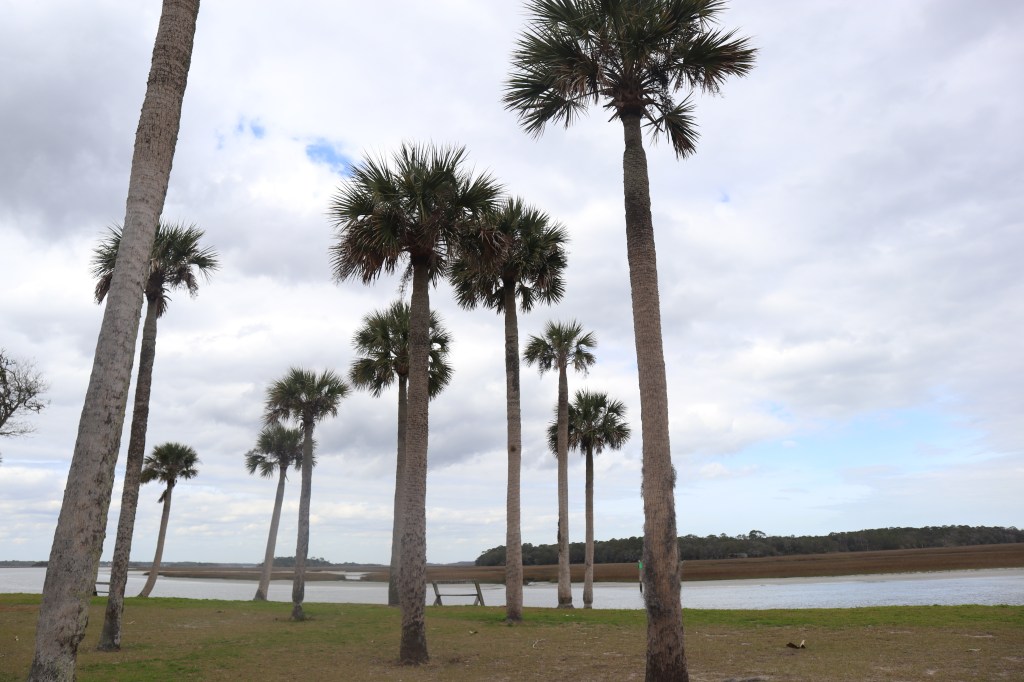
After parking my car and walking up the house, I take in the view of the Fort George inlet. I can only imagine the pain and suffering that happened on this land. In 1814 the land was owned by Anna and Zephaniah Kingsley and their four children.
Anna Madgigine Jai was from Senegal, West Africa, and was bought by Kingsley as a slave. Zephaniah married Anna when she was thirteen years old. During this time, when the Spanish still owned Florida, it was common for white plantation owners to marry African women. She actively took part in the plantation management and in 1811 she was freed by her husband and bought her own land and slaves. Together, the couple owned about sixty men, women, and children who lived at the plantation.

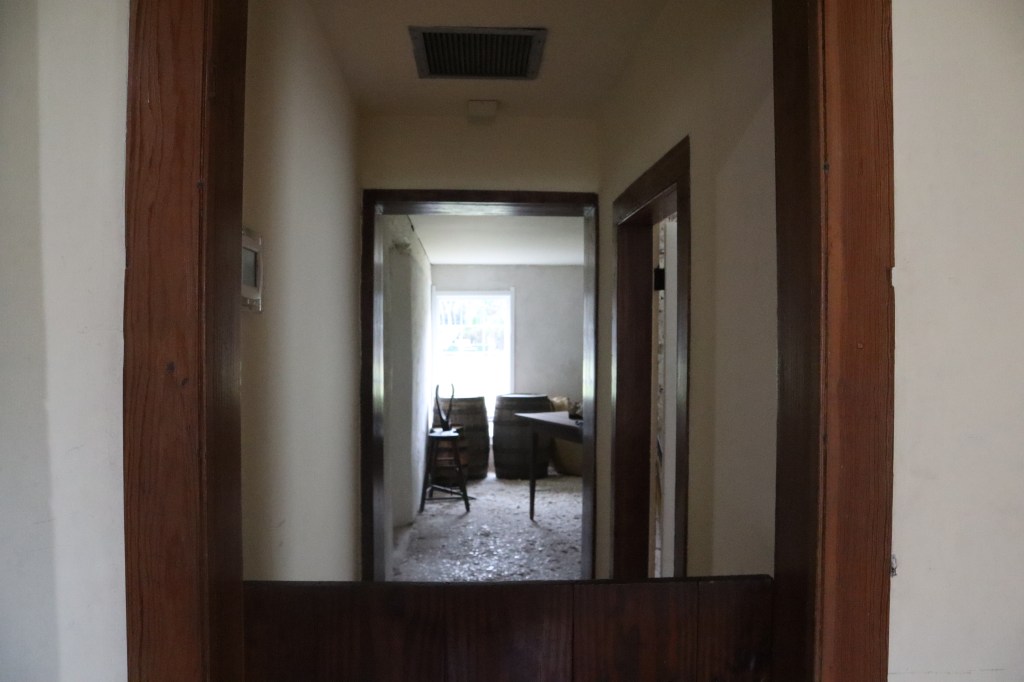
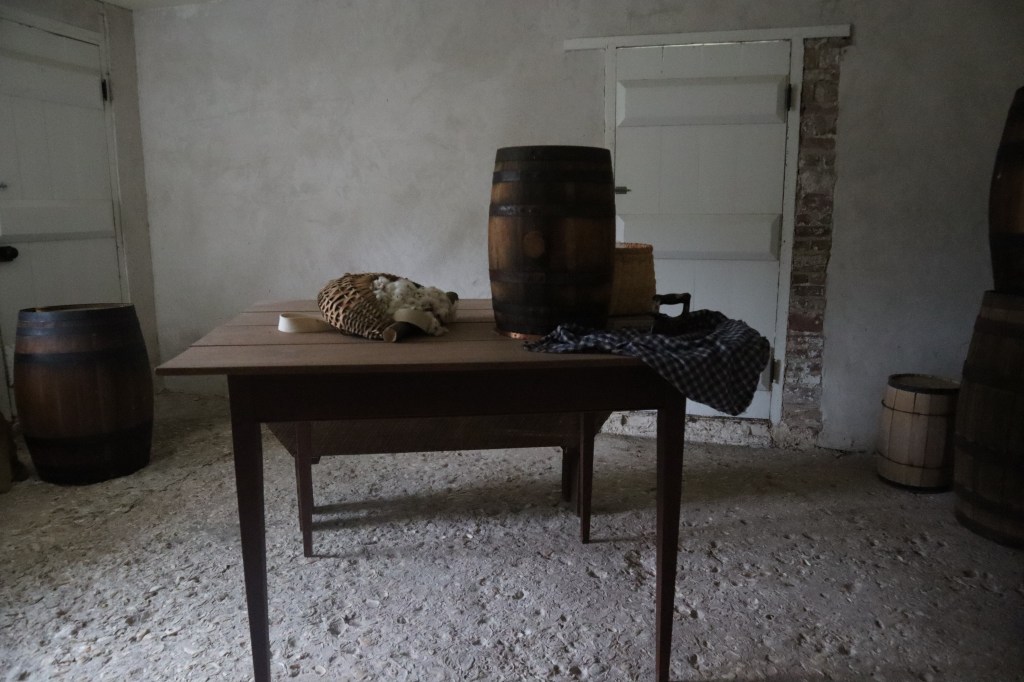
My journey through the plantation began at the Kingsley’s house, where the family would have lived. There’s a kitchen just outside the house that would have been ran by Anna Kingsley. As I walk in, I gain since of how things would have looked during the time period. The fireplace where meals by enslaved women were cooked, and the table where food would have been prepared.
Even though Anna lived in the main house with her husband, Zephaniah, the kitchen also served a separate living quarters for Anna and her children, giving her greater access to the working part of the plantation, and a place where she could direct daily operations. The kitchen gives a greater sense of how important Anna was to the overall function of the plantation.
My journey through the plantation continued south on the property to the slave houses, that have been preserved over the years by the national park service. The thirty-two small tabby cabins are arranged in a semi circle, creating protection of the plantation from intrusion, and creating community and space for the enslaved people. While, the majority of the cabins are the same size, four of them are six foot larger on the sides. These houses are believed to belong to the supervisor and their families. Each cabin included two rooms with internal fireplaces, used for cooking and warmth.
During his ownership, Zephaniah had numerous relationships with formally enslaved women, even fathering some of their children. The emancipation of these women and their children was important to Zephaniah. While Zephaniah was liberal with emancipation, he never claimed to be an abolitionist, and continued to use slave labor until his death in the mid eighteen hundreds.

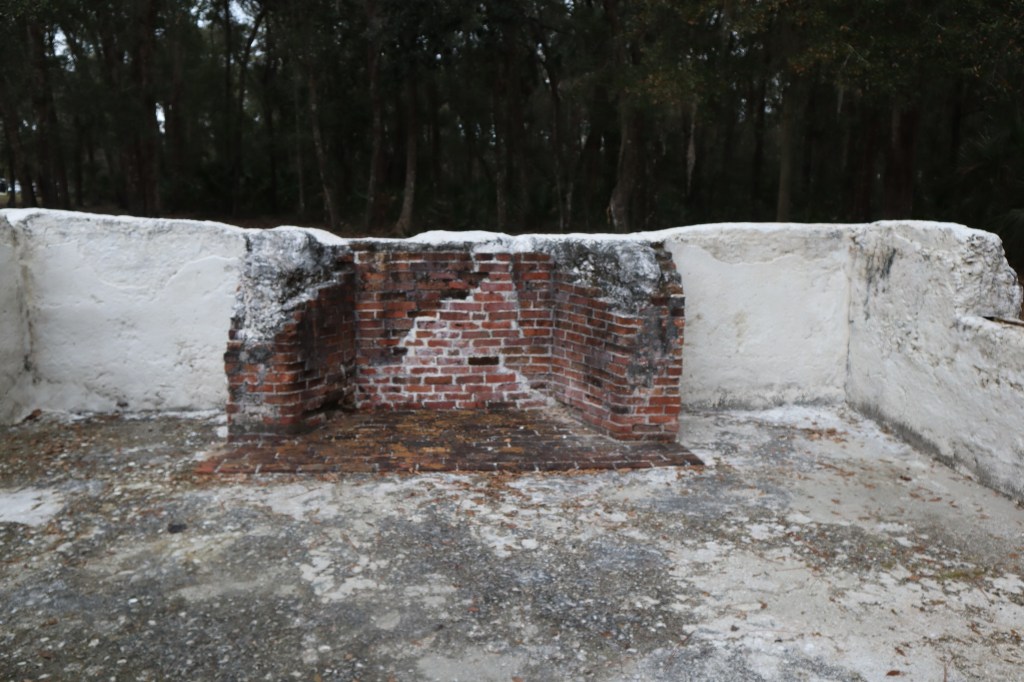
While walking through the cabins, I spotted a Gopher Tortoise, who now call one of the old cabins home. I find it interesting how these cabins, which used to be home to tragedy, has now returned to nature, and nature calls it home.

The last place on the land that is open to the public, was the barn. On the plantation, Kingsley grew sea island cotton, sugar cane, and provisions. The barn held tools that were necessary to running gardens. Like other buildings on the plantation the barn was made from Tabby.

Florida became apart of the United States in the year 1821, which made interracial marriages forbidden in the state. Because of this, Kingsley sent his wives, children, and a few formerly enslaved people to Haiti, a free black republic. Kingsley would later sell his plantation to his nephew, Kingsley Beatty Gibbs, and transfer his enslaved people to his new farm in Haiti.
After learning all of this, I was able to understand the difference between the past and the present. While sometimes it feels like the world is moving backwards, humankind has come along way and will continue to change. That’s why I believe it’s important to go to historical places like Kingsley Plantation, not only to read the history but to see the history and try to understand the depth of the situation at hand.
REFERENCES
U.S. Department of the Interior. (n.d.-b). Tabby. National Parks Service. https://www.nps.gov/timu/learn/historyculture/kp_tabby.htm
U.S. Department of the Interior. (n.d.-a). Anna Kingsley: A free woman. National Parks Service. https://www.nps.gov/timu/learn/historyculture/kp_anna_freewoman.htm
U.S. Department of the Interior. (n.d.-b). Doors to interpretation: Kingsley Plantation (U.S. National Park Service). National Parks Service. https://www.nps.gov/articles/doors-to-interpretation-kingsley-plantation.htm
Kingsley Plantation, 11676 Palmetto Avenue, Jacksonville, Duval County, FL. The Library of Congress. (n.d.). https://www.loc.gov/item/fl0539#:~:text=Kingsley%20Plantation%20became%20his%20home,%2C%20sugar%20cane%2C%20and%20provisions
 Through Anna's Eyes
Leave a comment