Sprinkled through out Northeast Florida and South Georgia are remnants of a different era: Forts built hundreds of years ago made to defend the area. Over time, these forts were entrusted to the state and transformed into state parks, allowing guest to journey back in history. All the forts were constructed along a water way for coastal defense, providing protection against military attacks near the coastline. Forts also represented an economical alternative for the nation because, they did not need standing armies or a large navy to oversee coastal areas. However, the forts in North Florida and South Georgia were built in different era and have witnessed various battles throughout their history.
FORT MCALLISTER

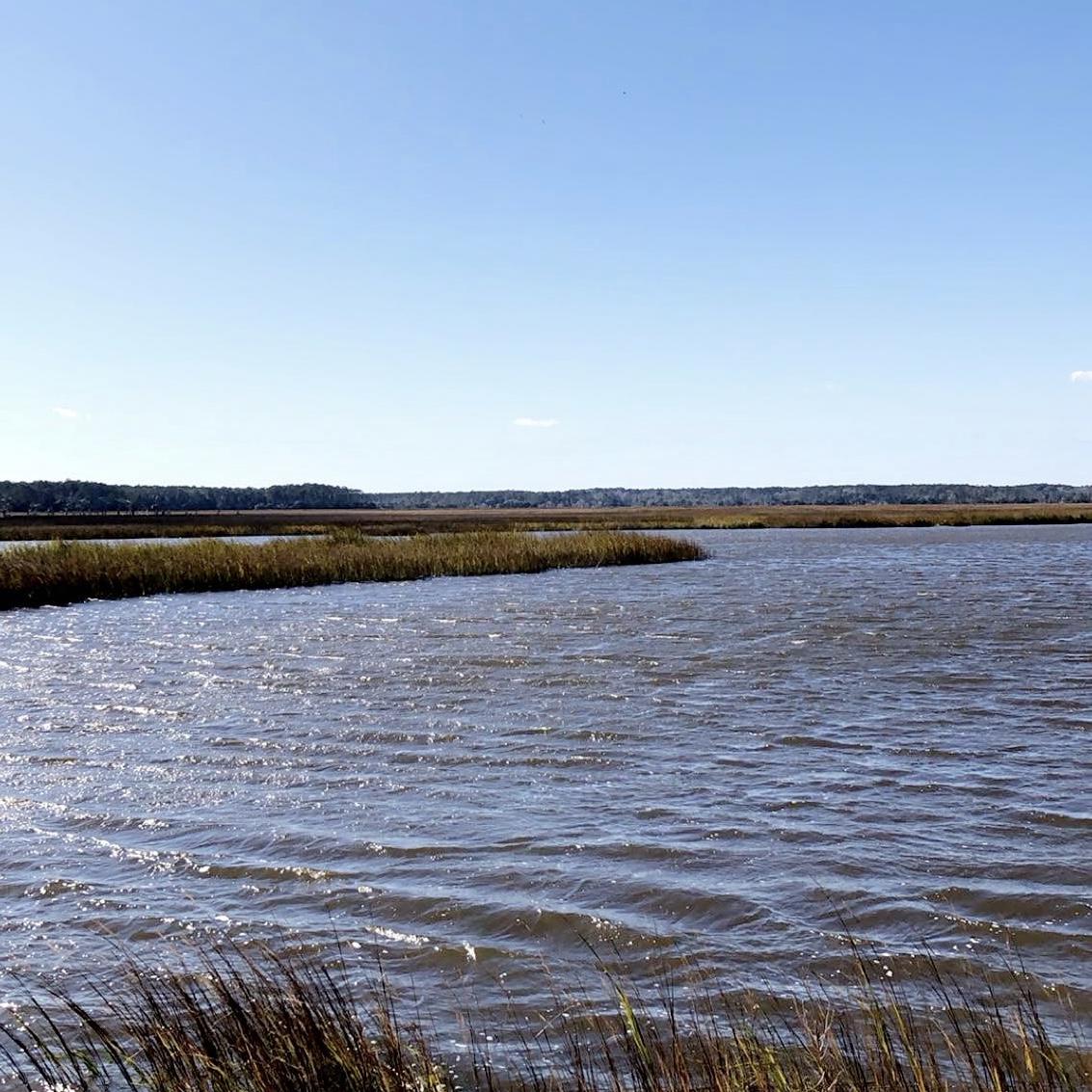
Located in Richmond Hill, Georgia, just fifteen miles south of Savannah, stands a relic of the Civil War: Fort McAllister. Situated along the coast of the Ogeechee River and built in 1861 at Genesis Point, the fort was established on land that was part of a plantation owned by Lieutenant Colonel Joseph Longworth McAllister, after whom the fort is named. It provided crucial protection for the southern flank of Savannah during the Civil War and safeguarded the rice plantations in the lower Ogeechee River basin. Confederate soldiers occupied Fort McAllister throughout the conflict.
Fort McAllister was constructed as an “earthwork,” a type of fortification made from dirt. This inexpensive resource offered underground shelter and defense primarily against naval attacks, rather than land assaults. When damaged, the fort could be quickly repaired using dirt and marsh mud. It was equipped with ten large-caliber guns and facilities for heating “red-hot shot,” cannonballs that could ignite wooden ships upon impact.
During the Civil War, Fort McAllister successfully repelled seven Union naval attacks, several of which were launched by the latest naval warships of the time. Due to its earthwork construction, the fort never fell to Union naval forces. However, it was ultimately captured by the Union through a land assault in 1864. During General William T. Sherman’s “March to the Sea,” he ordered the capture of Fort McAllister from the landward side, enabling the Union army to be resupplied by navy transports anchored offshore. After its capture, the fort served as a prison for captured Confederate soldiers for the remainder of the war.
Following the war, the fort fell into disrepair but was restored as a historical site in the late 1930s, thanks in part to public funding provided by Henry Ford, who owned the property at the time. Today, Fort McAllister is maintained by the Georgia Department of Natural Resources. The state historic park features a museum, guided tours, and camping options for visitors.
FORT CAROLINE
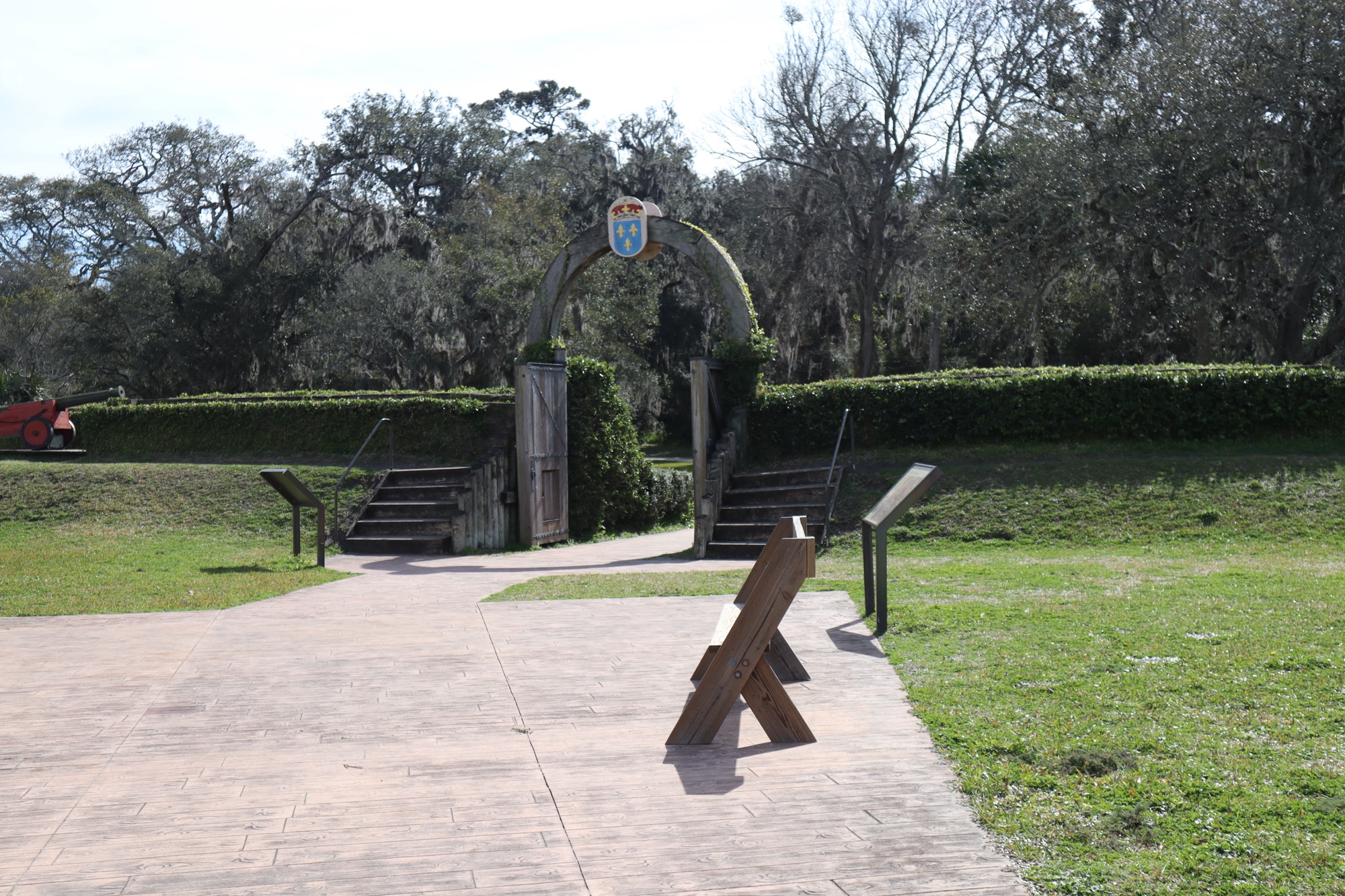

Located in Jacksonville, Florida, Fort Caroline was established in 1564 by the French, with assistance from the local Timucuans, who had lived in the area for 1,000 years. Three hundred colonists left France to create a permanent settlement in North America, including prominent families adorned in gilded armor and brightly colored clothing. Most of the settlers were Huguenots, while others were Catholics or agnostics.
René de Goulaine de Laudonnière and Jean Ribault were instrumental in establishing the fort, which they named La Caroline in honor of King Charles IX of France. However, the Spanish were displeased with the French claim to the land, as it threatened to divert trade from Spain and disrupt their access to the riches of the New World. Additionally, the French were establishing a Protestant community.
In 1565, Don Pedro Menéndez de Avilés and his troops massacred most of the French settlers, leading to the Spanish takeover of the fort, which they renamed San Mateo. While the exact location of the fort remainsunknown to this day, the National Park Service established a memorial near the mouth of the St. Johns River in 1953. The park is open daily from 9 AM to 5 PM, offering visitors a glimpse into Florida’s history.
FORT CLINCH
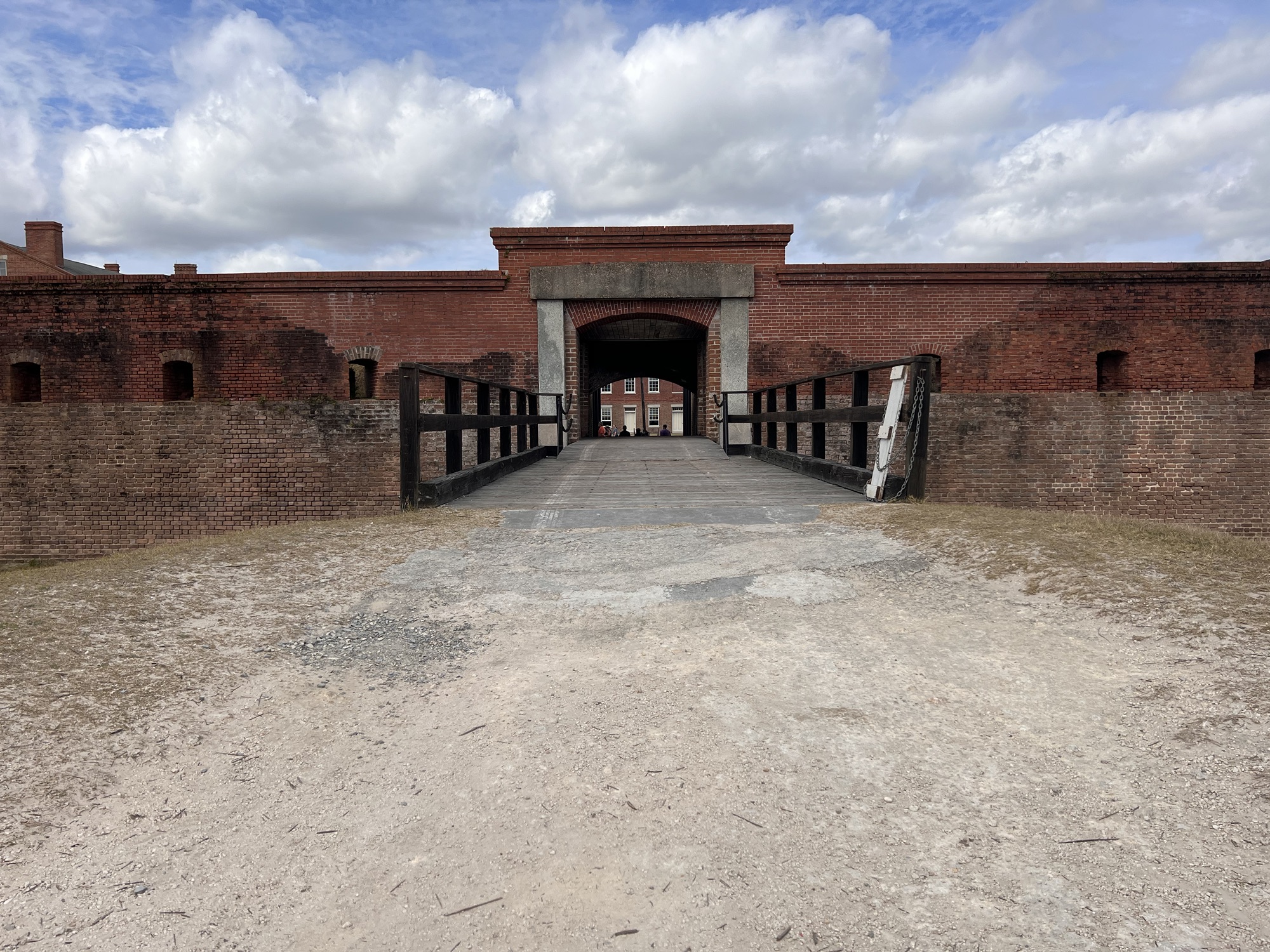

Located on Amelia Island, Florida, Fort Clinch was first fortified in 1763 by the Spanish. Over the years, various nations controlled the territory to protect the entrance to the St. Mary’s River and Cumberland Sound. The United States began constructing the fort after the Second Seminole War as part of a coastal defense strategy that remained a concern until the advent of airplanes in World War II.
The fort we see today was built in 1847, with construction continuing into the early stages of the Civil War. At the onset of the conflict, it was under Confederate control. After the war, the U.S. Army supported the fort until the sinking of the U.S.S. Maine, which precipitated the Spanish-American War, at which point Fort Clinch came under Army control once more.
Today, Fort Clinch is accessible year-round, offering beach access, trails, and camping for visitors. There is a six-dollar entrance fee to access the state park.
CASTILLO DE SAN MARCO
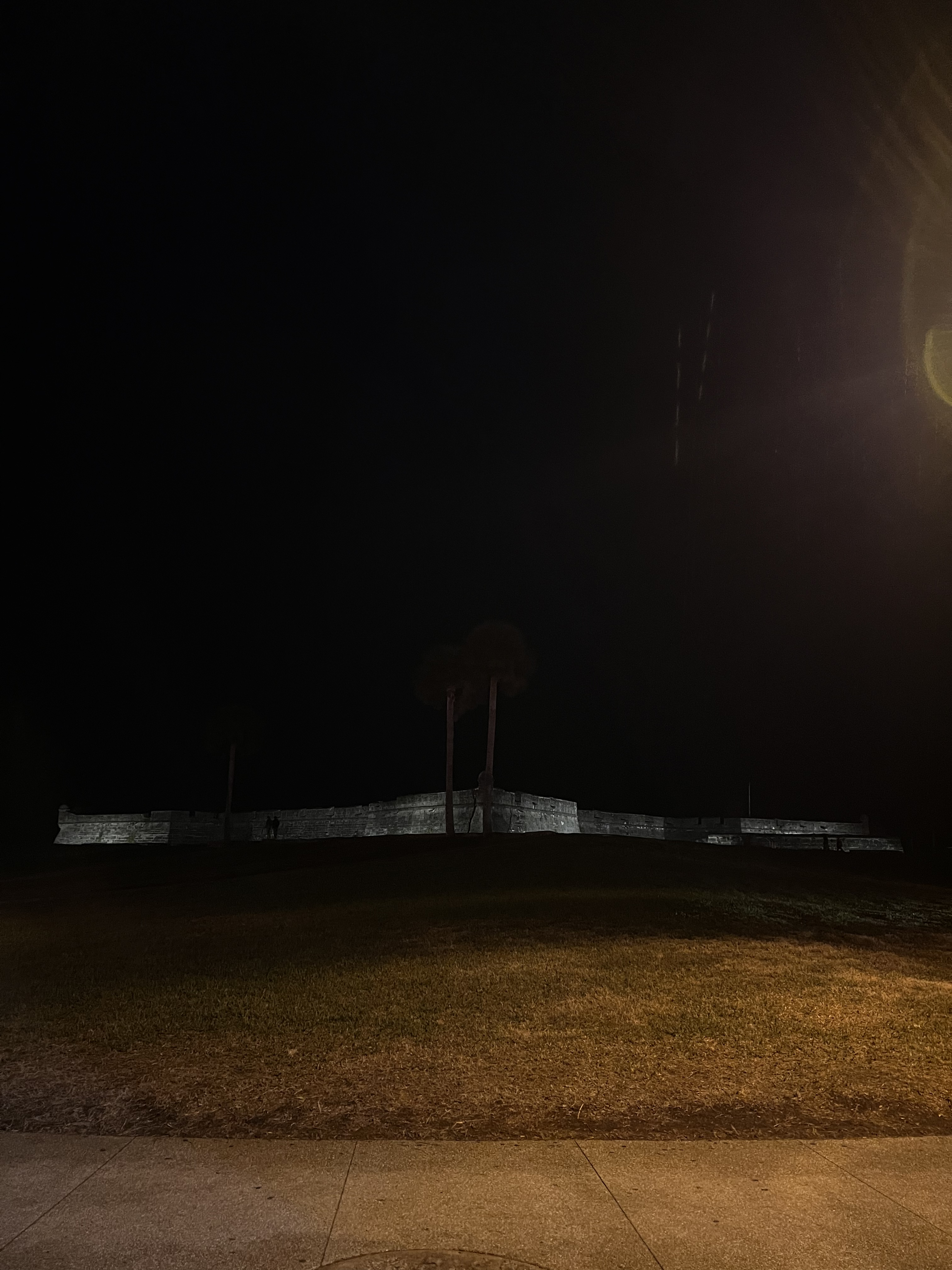
Located in St. Augustine, Florida, Castillo de San Marco is the oldest masonry fort in the continental United States. For over 300 years, it has stood along the western shore of Matanzas Bay, constructed to protect and defend Spanish claims in the New World. The construction of the fort began in 1672, and unlike earlier Spanish forts, Castillo de San Marco was built using coquina—a type of stone formed from hardened limestone sediment. The coquina was quarried from what is now Anastasia State Park on Anastasia Island. To create mortar, builders combined burned oyster shells with lime, sand, and water, a mixture similar to Tabby used in other historical sites throughout Florida.
In 1702, the British attempted to seize St. Augustine, leading to an assault on Castillo de San Marco. However, the British were unable to capture the fort. Florida remained under British control after the signing of the Treaty of Paris in 1763, until the end of the Revolutionary War. During the war, Castillo de San Marco served as a military prison, even holding three signers of the Declaration of Independence.
After the Revolutionary War, the fort was returned to Spanish control until Florida became a part of the United States in 1821. Castillo de San Marco was officially removed from the active fortification list in 1900.
YELLOW BLUFF FORT


Located in Jacksonville, Florida, along the St. John’s River, Yellow Bluff Fort was an “earthworks” fort built during the Civil War. Confederate General, Robert E. Lee ordered the construction of the fort and others to protect vital supply areas in the state. The “earthwork” forts were commonly used during through out the Civil War due to easy access to dirt and relatively inexpensive. The forts were in a triangle shape, dug to provide protection for the men and weapons.
Prior to the Civil War, the area held significant cultural importance, having been inhabited by the Timucua people long before European settlers arrived. The site was named Yellow Bluff because of the distinctive yellow clay bluffs that characterize the landscape.
During the Civil War, the fort belonged to the Confederates until 1862, just over a year after the beginning of the war. Fernandina and St. Augustine were captured and Jacksonville was captured later that year. With the threat of Union troops in the area, the forces withdrew from Yellow Bluff and temporality went to Jacksonville, before returning to fight several battles with Union troops up and down the coast. The fort was later abandoned by the Confederate troops after heavy bombardment.
Late in the war, Union forces received orders to build a communication tower at the fort, known as the blockhouse. This 110-foot tower was used to relay messages throughout the region and remained operational until the war’s end.
Today, little remains of Yellow Bluff Fort except for its trench system, which is at least ten feet deep and fifteen feet wide, creating a T-shaped mound where the fort once stood. Old cannons mark the park, inviting visitors to reflect on the area’s past and its historical significance.
CONCLUSION
In conclusion, the history of the forts in Northeast Florida and South Georgia is rich and complex. Many were constructed during a time of national division, serving to defend the South during the Civil War. While some were built from masonry, others were crafted from earth, resulting in various structural designs aimed at providing protection. The Castillo de San Marco stands out as the oldest masonry fort in the continental United States, uniquely constructed from coquina, setting it apart from other regional forts. Throughout their histories, these forts have witnessed tragedy and bloodshed, reflecting on the events that shaped the region.
REFERENCES
Buddy, S. (2017, July 6). Fort McAllister – New Georgia encyclopedia. Fort McAllister – New Georgia Encyclopedia. https://www.georgiaencyclopedia.org/articles/history-archaeology/fort-mcallister/
U.S. Department of the Interior. (2021, March 26). DC’s Civil War Earthworks (U.S. National Park Service). National Parks Service. https://www.nps.gov/articles/000/dc-s-civil-war-earthworks.htm#:~:text=In%20military%20terms%2C%20earthworks%20refer%20to%20fortifications%20constructed%20from%20dirt.
History of Fort Clinch. Florida State Parks. (2018b). https://www.floridastateparks.org/learn/history-fort-clinch
Starmark, F. L. (2024, September 25). Fort clinch state park. Amelia Island. https://www.ameliaisland.com/partners/fort-clinch-state-park/
U.S. Department of the Interior. (2024, March 19). Explorers & Settlers of Fort Caroline. National Parks Service. https://www.nps.gov/timu/learn/historyculture/foca_explorers.htm
U.S. Department of the Interior. (n.d.-b). Castillo de San Marcos National Monument (U.S. National Park Service). National Parks Service. https://www.nps.gov/casa/index.htm
Castillo de San Marcos. Visit St. Augustine. (2024, September 30). https://www.visitstaugustine.com/thing-to-do/castillo-de-san-marcos
Geology of the Coquina Rocks. Florida State Parks. (2018a). https://www.floridastateparks.org/learn/geology-coquina-rocks#:~:text=Coquina%20rock%20is%20a%20type,by%20the%20accumulation%20of%20sediments.
History of yellow bluff. Florida State Parks. (2018c). https://www.floridastateparks.org/learn/history-yellow-bluff
 Through Anna's Eyes
Leave a comment